A layer of dust around a supply vent is easy to see. What is harder to see is what may be collecting deeper in the duct system: construction debris, pet hair, insulation fibers, moisture-related buildup, and the fine dust that slips past a poorly fitted filter. The best duct cleaning methods remove that material without spreading it through the home or damaging the ductwork.
For South Texas homeowners and business owners, the method matters. Long cooling seasons, high humidity, frequent system runtime, and coastal air can all put added stress on HVAC equipment. Duct cleaning is not a substitute for proper filtration, maintenance, or moisture control. When it is needed, though, it should be done thoroughly and with the right equipment.
What Effective Duct Cleaning Should Accomplish
A proper duct cleaning service is more than vacuuming the vent covers. The goal is to remove loose debris from the return and supply sides of the system while keeping contaminants contained. A technician should be able to access the main trunks, branch ducts, registers, grilles, blower compartment, and other reachable components without creating leaks or tearing flexible duct.
The right scope depends on the system and the reason for cleaning. A home that has just completed drywall work may need debris removal. A property with recurring musty odors needs a moisture investigation first. A restaurant, office, or rental property may need duct cleaning as part of a larger maintenance plan after years of heavy use.
Be cautious of any offer that promises a whole-system cleaning in a few minutes or quotes one low price without asking about the size of the system, number of returns, duct type, and access. Honest service starts with an inspection and a clear explanation of what is included.
The Best Duct Cleaning Methods, Explained
Source removal with negative pressure
Source removal using negative pressure is generally the preferred professional method for most residential and commercial duct systems. A powerful vacuum unit connects to the ductwork and creates controlled suction. While the system is under negative pressure, the technician uses tools to dislodge dust and debris from inside the ducts so the vacuum can capture it.
The vacuum may be truck-mounted or portable. A truck-mounted unit can provide substantial suction and is often useful when access allows. Portable HEPA-filtered equipment can be the better choice for upper-floor spaces, interior commercial areas, or buildings where truck access is limited. The equipment choice matters less than whether the contractor achieves enough negative pressure and contains the debris properly.
This method works because it combines agitation with collection. Simply pulling air through the ducts will not remove buildup that is stuck to duct walls, turns, and branch lines.
Mechanical agitation tools
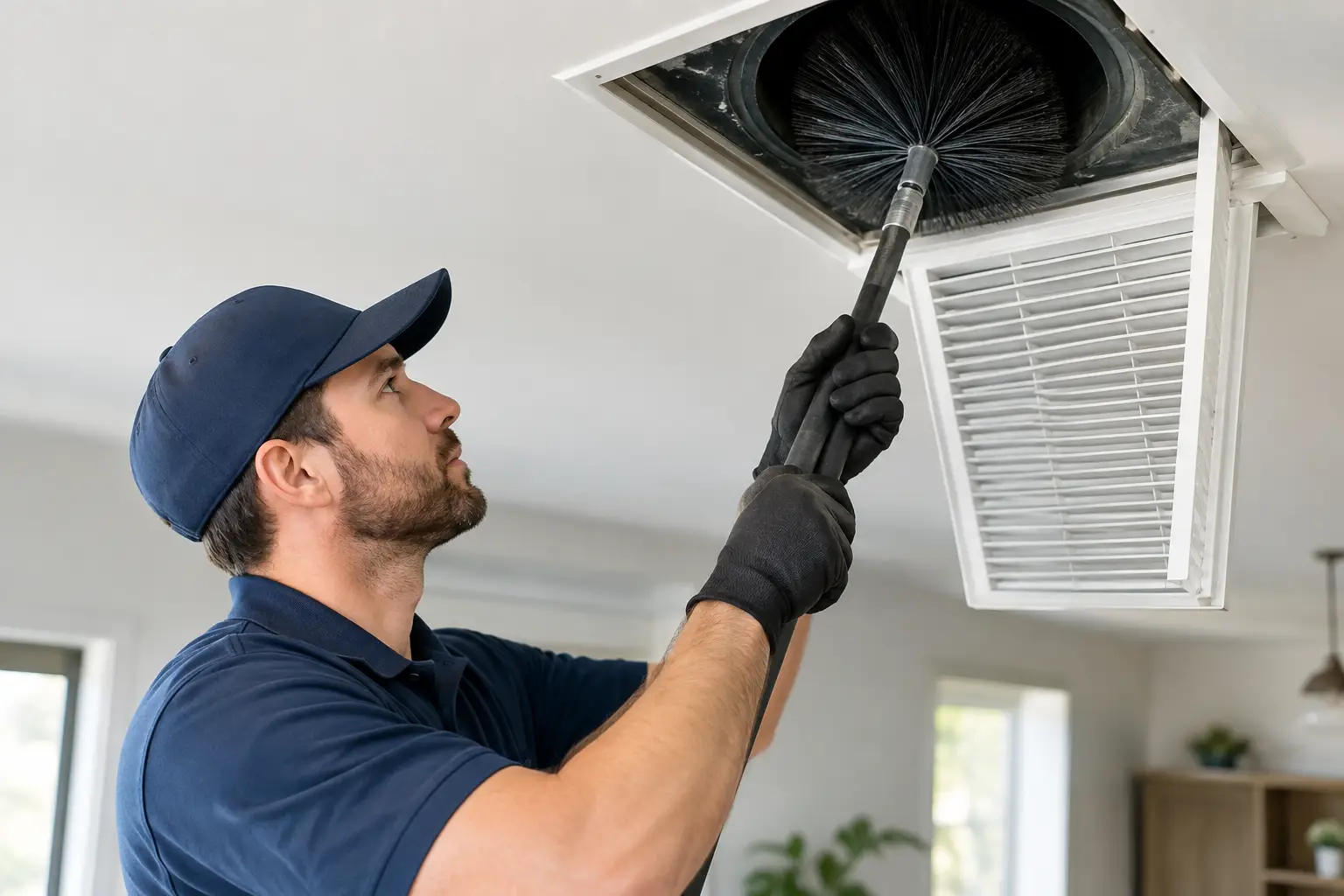
Agitation tools are used alongside negative pressure, not as a replacement for it. Depending on the duct material and condition, a technician may use soft brushes, air whips, skipper balls, or compressed-air tools to loosen debris.
Brushes can be effective in sturdy metal ductwork, especially where dust has adhered to the interior surface. They require good judgment. Aggressive brushing in old, thin, or damaged ductwork can cause harm, and it may not be appropriate for certain flexible ducts. Air whips and compressed-air tools are often gentler options for flex duct when used by a trained technician.
The best approach is not always the most forceful one. A careful contractor adjusts the tools to the duct material, access points, and condition of the system.
Contact vacuuming at vents and accessible areas
Contact vacuuming is the process of cleaning registers, grilles, boots, return boxes, and other accessible areas with a HEPA-filtered vacuum. It is a necessary part of a complete job, but it is not a complete duct cleaning method on its own.
This service can make sense for light surface dust, routine upkeep, or cleaning after a small repair. It will not reach the full length of a duct system or remove debris from deeper trunk lines. If a company only cleans visible vent openings, ask what method it uses for the rest of the system.
Coil, blower, and drain cleaning
Duct cleaning alone may not solve airflow, odor, or indoor air quality complaints. The blower wheel, evaporator coil, condensate drain, and return area can collect dirt or develop moisture issues that affect system performance.
In the Coastal Bend, this is especially relevant because air conditioners run hard and remove large amounts of humidity. A dirty coil can restrict airflow and reduce cooling efficiency. A clogged drain can lead to water problems. If there is visible growth, a musty smell, or repeated drain trouble, those conditions should be addressed before or during duct work.
A qualified HVAC technician can determine whether these components need cleaning and whether the underlying issue is filtration, a duct leak, an oversized system, poor drainage, or excess indoor humidity.
When Duct Cleaning Is Worth Scheduling
Duct cleaning is not automatically required every year. In a well-maintained system with quality filters and no unusual conditions, a routine inspection may be more useful than cleaning on a fixed schedule. The need depends on what is happening inside the building and inside the HVAC system.
Cleaning is often reasonable after a remodeling project, especially if drywall dust, sawdust, or insulation fibers entered the returns. It can also help after pest activity has been professionally addressed, when occupants notice debris blowing from vents, or when a system has been neglected for years.
Other signs deserve investigation rather than an automatic cleaning appointment. Weak airflow may point to a clogged filter, failing blower motor, dirty coil, crushed flex duct, or a duct leak. Persistent odors may be caused by standing water, microbial growth near the coil, plumbing issues, or a dead animal in an inaccessible area. Cleaning can be part of the solution, but it should not be used to cover up the cause.
For commercial properties, consider duct cleaning after tenant turnover, construction, water damage repairs, or a prolonged period of poor housekeeping around return grilles. Facilities with high occupancy, frequent door traffic, or dust-producing operations may also need more frequent evaluation.
What to Avoid During Duct Cleaning
Chemical treatments should never be the default answer to dirty ducts. Deodorizers and antimicrobial products may be appropriate in limited situations, but only after the source of odor or contamination has been identified and corrected. A chemical spray cannot fix a wet duct, a clogged drain, or an ongoing mold issue.
Fogging a system without physically removing debris is another concern. It may temporarily change the smell of the air, but it does not remove the dust, construction debris, or biological material that created the problem. Ask what product is being used, why it is necessary, and whether it is approved for use in HVAC systems.
Also avoid contractors who make dramatic health claims or insist that every system needs immediate cleaning. Good duct cleaning can improve cleanliness and remove unwanted debris, but no reputable company can promise to cure allergies or solve every indoor air quality problem.
Protect Your Ducts Between Professional Cleanings
The simplest protection is using the right filter and changing it on schedule. A filter that is too restrictive for the equipment can reduce airflow, while one that is too low-quality may allow more particles into the system. The right choice depends on the unit, the building, pets, occupants, and any allergy concerns.
Keep return grilles clear of furniture and avoid running the system during dusty construction work unless returns are protected. Make sure supply registers are open and unobstructed. If you see water near the indoor unit, notice a sudden musty odor, or find dust collecting unusually fast, schedule an inspection before a minor issue becomes a larger repair.
Precision Air approaches duct cleaning as part of total system care, not a stand-alone sales pitch. The goal is fast, honest, and dependable service that helps your equipment move clean air efficiently and keeps the real cause of the problem in view.
If you are unsure whether your ducts need attention, start with a professional assessment. A clear look at the ductwork, filter setup, coil condition, drainage, and airflow will point you toward the service that actually protects your comfort.
Related Posts
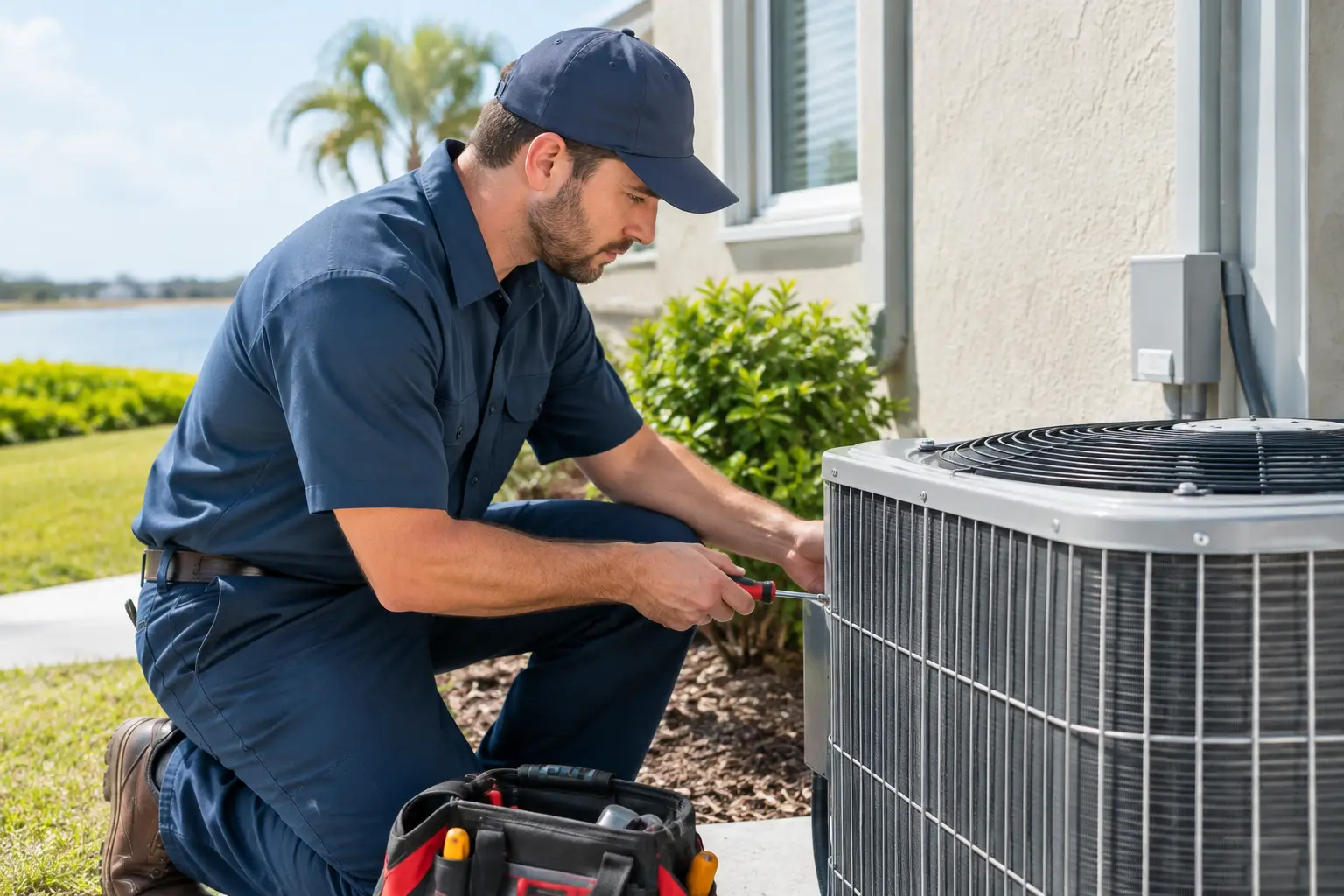 Corpus Christi AC Repair Guide for Fast Answers — Best Guide 2026
 Top signs duct cleaning needed: Top Signs Duct Cleaning Is Nee…