A failing rooftop unit rarely chooses a convenient time to quit. It happens during a packed lunch rush, on the hottest afternoon of a South Texas summer, or when employees and customers need a comfortable space most. Commercial HVAC replacement is a major operating decision, but waiting too long can turn a planned investment into an emergency that disrupts business, strains staff, and costs more than expected.
The right time to replace a commercial system depends on more than its age. Equipment condition, repair history, energy use, building needs, and the consequences of downtime all matter. A clear evaluation helps business owners and facility managers decide whether repair is still the practical choice or whether replacement will provide better value.
Signs Commercial HVAC Replacement May Be the Better Choice
Commercial equipment is built to work hard, but Gulf Coast heat, humidity, salt air, and long cooling seasons can accelerate wear. A system that has been properly maintained may run well for many years. Still, there comes a point when putting more money into an aging unit no longer protects the business.
Frequent breakdowns are one of the clearest warning signs. One repair does not automatically mean replacement is necessary. But when service calls become routine, parts are increasingly difficult to source, or a unit fails during peak operating hours, the cost is more than the repair invoice. Lost productivity, uncomfortable customers, temporary closures, and emergency service can add up quickly.
Rising utility bills also deserve attention. Older systems can lose efficiency as compressors, coils, motors, controls, and duct connections wear down. If your building use has not changed but cooling costs keep climbing, the HVAC system may be working harder to deliver less comfort. A newer, properly sized system can often reduce unnecessary energy use, especially when paired with updated controls and airflow corrections.
Uneven temperatures are another concern. Hot offices, humid retail areas, and customer complaints may point to equipment decline, but they can also come from duct issues, poor zoning, thermostat problems, or changes to the building layout. That is why a professional assessment matters before committing to a new system. Replacing equipment without addressing the underlying airflow problem can leave you with the same comfort issue in a newer box.
Repair or Replace? Start With the Business Impact
The repair-versus-replace question is not answered by age alone. A 10-year-old system with a minor, isolated issue may have plenty of useful life left. A younger system with repeated compressor failures, corrosion, or chronic refrigerant leaks may require a different conversation.
Consider the repair cost in context. If a repair is substantial and the unit has a history of problems, replacement may be the more predictable financial decision. The same is true when an older system uses outdated refrigerant or requires a major component that will not solve other existing issues. Spending heavily to restore a unit that is likely to fail again soon can be difficult to justify.
Facility needs matter just as much as equipment condition. A restaurant, medical office, retail store, office building, or warehouse may not have the same tolerance for downtime. Businesses with customers on site, temperature-sensitive inventory, or critical employee work areas often benefit from planning a replacement before a complete failure forces the issue.
A good contractor should explain both options plainly: what can be repaired now, what the repair is expected to accomplish, what risks remain, and what replacement would involve. Honest recommendations are more useful than pressure. The goal is to help you make a sound operational decision, not sell equipment that does not fit the building.
What a Proper Commercial HVAC Replacement Includes
Commercial HVAC replacement is not simply removing one unit and setting another in its place. The installation should begin with an evaluation of the building, the existing system, and the way the space is used. Square footage is only part of the equation. Occupancy, kitchen equipment, lighting, windows, insulation, operating hours, heat-producing equipment, and ventilation requirements can all affect capacity and design.
Correct Sizing and Equipment Selection
An oversized system can cycle on and off too often, increasing wear and struggling to control humidity. An undersized system may run constantly and still fail to maintain comfort during extreme heat. Proper sizing helps avoid both problems.
Equipment selection also depends on the application. A small office may need a straightforward packaged unit replacement, while a larger property may benefit from zoning, multiple rooftop units, split systems, or VRF/VRV equipment. For facilities with refrigeration and ice machine needs, the HVAC plan should also account for the heat load and operational demands created by those systems.
Ductwork, Airflow, and Controls
The condition of the duct system can affect the success of a replacement as much as the new equipment itself. Leaking ducts, crushed sections, poorly balanced airflow, and inadequate returns can reduce efficiency and create hot or cold areas. Before installation, these issues should be identified so they can be corrected where needed.
Controls are another practical consideration. Programmable or connected thermostats can help managers track temperatures, set schedules, and identify problems early. More advanced controls may make sense for multi-zone buildings, but not every property needs the most complex option. The best setup is one your team can operate reliably and that supports the way the building is actually used.
Installation Planning and Code Compliance
A commercial replacement should be planned around your operations. In many cases, work can be scheduled during off-hours or lower-traffic periods to limit disruption. The installation team should coordinate equipment access, crane needs when applicable, electrical requirements, condensate drainage, permits, and startup testing before the work begins.
Code-compliant installation is not optional. Proper electrical connections, refrigerant handling, ventilation, drainage, curb conditions, and safety controls protect the equipment, the building, and the people inside it. Startup should include testing system operation, verifying airflow and refrigerant performance, and confirming that thermostats and controls are functioning correctly.
Cost Factors That Affect Replacement Decisions
Commercial HVAC replacement costs vary because commercial buildings and equipment vary. The number and size of units, accessibility, ductwork repairs, electrical upgrades, control requirements, crane service, and installation timing can all affect the final price.
Higher-efficiency equipment may cost more upfront, but it can be worthwhile for systems that run long hours in South Texas heat. The payback depends on utility rates, operating schedules, maintenance habits, and how efficiently the old system is currently performing. A business that operates seven days a week may see a different return than an office that closes nights and weekends.
Financing can help businesses avoid delaying an important replacement solely because of the upfront expense. It is still wise to look beyond the monthly payment. Consider expected repair savings, energy use, warranty coverage, projected equipment life, and the cost of an unexpected shutdown. The lowest initial quote is not always the lowest long-term cost.
Protect the New System From Day One
A replacement is a chance to reset your maintenance plan. New equipment needs regular filter changes, coil cleaning, drain inspections, electrical checks, airflow verification, and seasonal performance testing. Skipping maintenance can reduce efficiency and shorten the service life of even high-quality equipment.
For commercial properties, preventative maintenance also makes budgeting easier. Routine visits give technicians the opportunity to identify worn belts, failing capacitors, drain issues, dirty coils, and control problems before they become a no-cooling emergency. Precision Air’s Comfort Club maintenance program is designed to support that kind of ongoing, practical care for systems that businesses depend on.
Keep a record of repairs, maintenance visits, utility trends, and comfort complaints. This information gives you a clearer picture of equipment performance over time and makes future replacement planning far less stressful.
When your system is becoming unreliable, do not wait for the next extreme-weather failure to force the decision. A timely evaluation gives you options, protects your operations, and lets you choose a replacement plan that fits your building instead of reacting to a crisis.
Related Posts
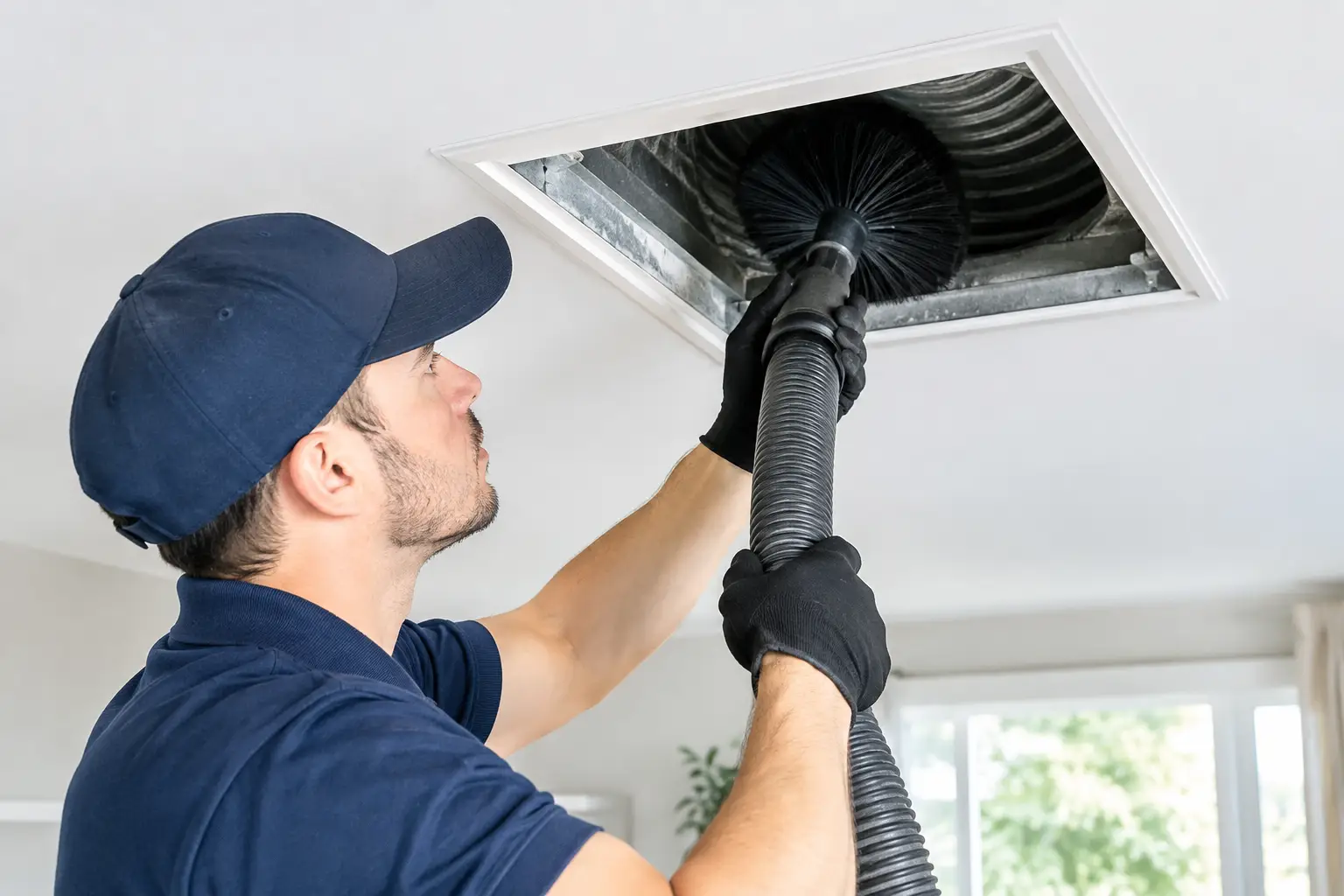 Alice Duct Cleaning Service for Cleaner Air
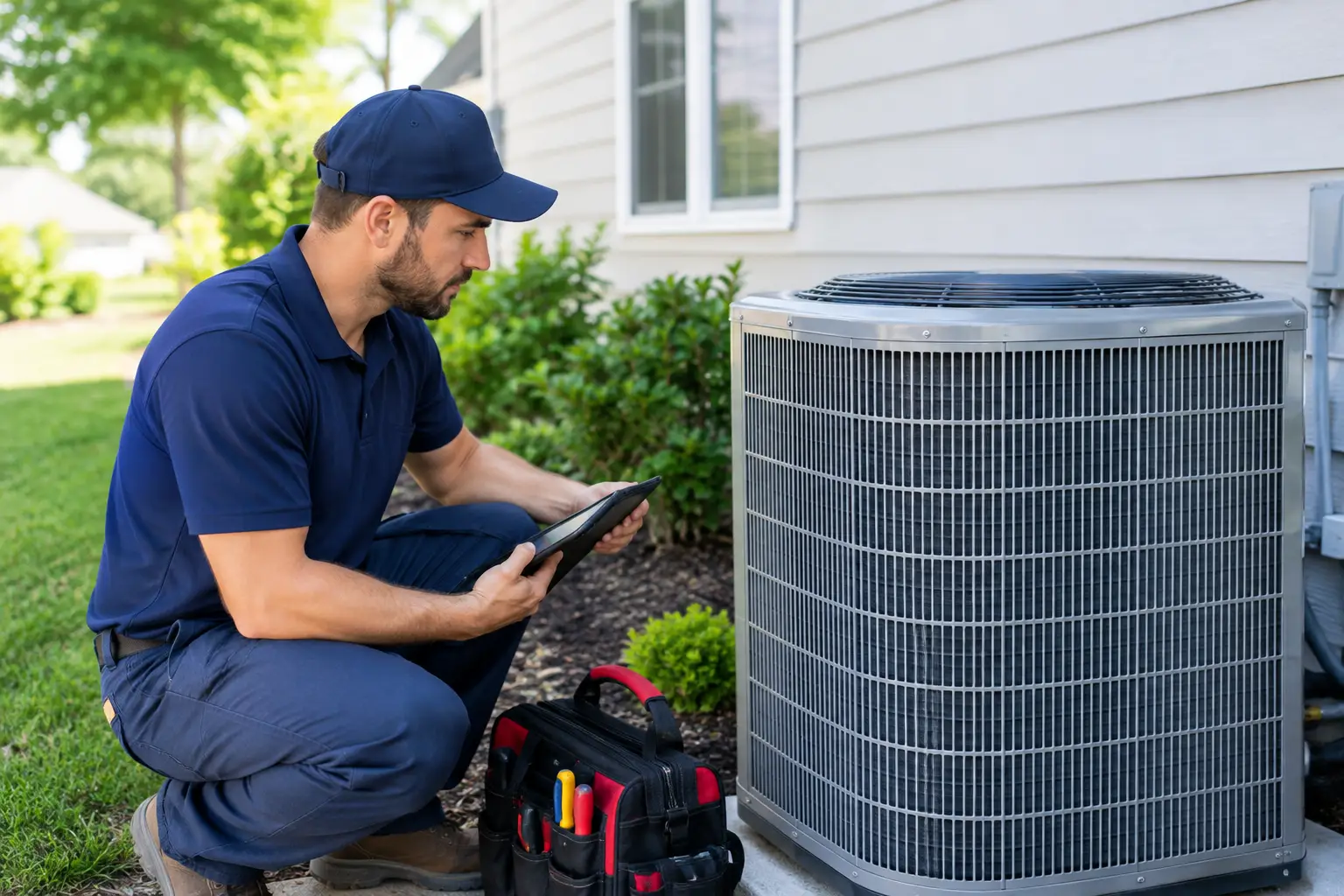 How to Schedule HVAC Maintenance Before Summer Hits — Best Gui…