

A failed rooftop unit during a South Texas lunch rush is more than a comfort problem. High dining-room temperatures can drive customers away, excess kitchen heat puts staff under strain, and poor ventilation can create issues that inspectors, insurers, and fire officials take seriously. This restaurant HVAC compliance guide helps owners and facility managers understand what needs attention before a small equipment issue becomes an interruption to service.
Restaurant compliance is not one single checklist. It involves building codes, mechanical codes, local permitting requirements, fire safety standards, health department expectations, and equipment manufacturer instructions. The details can vary by city, building age, cooking equipment, and whether the work is a repair, replacement, or new installation. The practical goal is straightforward: keep conditioned air, kitchen exhaust, make-up air, refrigeration, and controls operating safely and as designed.
Start With the Systems That Affect Compliance
A restaurant’s HVAC system usually has a broader job than the air conditioner in a typical retail space. It must manage customer comfort while dealing with heat, steam, grease-laden vapor, open doors, crowded dining areas, and the constant load from kitchen equipment. When one component is out of balance, the effects can show up throughout the building.
The major systems to review include comfort cooling and heating equipment, kitchen exhaust hoods, make-up air units, ductwork, outside-air ventilation, restroom exhaust, walk-in and reach-in refrigeration, ice machines, and building controls. Not every system falls under the same inspection authority, but all can affect the restaurant’s operation and indoor environment.
For example, a kitchen hood may be exhausting air correctly, but a failed make-up air unit can pull too much conditioned air from the dining room. That can leave the restaurant hot, make exterior doors difficult to open, and increase utility costs. A technician should diagnose the building as a system rather than repeatedly replacing parts without addressing the cause.
Know When Permits and Inspections Apply
Routine maintenance and many minor repairs may not require a permit, but equipment replacement, electrical changes, new gas connections, duct modifications, hood work, or changes to equipment capacity often do. Skipping this step may create trouble during a property sale, insurance review, tenant improvement inspection, or after a fire or equipment failure.
Before approving major work, ask whether a permit is required, who will pull it, and whether the project needs final inspection. A qualified commercial contractor should explain the scope in plain language and provide documentation for the work completed. Keep permits, inspection approvals, equipment specifications, service records, and warranty information in one accessible file.
Older restaurants deserve extra attention. A like-for-like replacement may sound simple, but new equipment can have different electrical requirements, curb dimensions, airflow needs, refrigerant standards, or efficiency ratings. Code requirements may also be triggered when the scope of work goes beyond a basic repair. The right answer depends on the local authority having jurisdiction and the specific project.
Kitchen Exhaust Is Not the Same as Comfort Cooling
Kitchen ventilation is often the highest-stakes part of restaurant mechanical compliance. Type I hoods are generally used over grease-producing equipment, while Type II hoods are used for heat, steam, and moisture applications. Hood type, airflow, clearances, duct construction, fire suppression integration, and cleaning intervals all matter.
Do not assume the hood is working properly because air is moving. A system can be noisy and still provide inadequate capture and containment. Smoke or heat escaping into the kitchen, greasy buildup around the hood, or cooking odors reaching the dining room are signs that the system needs professional attention.
HVAC contractors, hood cleaning providers, fire suppression companies, and local fire officials may each have a role. Their work overlaps, but it is not interchangeable. Your service plan should make clear who is responsible for exhaust fan service, belt replacement, grease cleaning, fire suppression inspection, and make-up air maintenance.
Maintain Proper Air Balance and Outside Air
Restaurants need controlled outside air, but more outside air is not always better in the Coastal Bend. Hot, humid air raises the cooling and moisture load quickly. Too little outside air can lead to stale conditions and poor odor control. Too much unconditioned outside air can cause humidity, condensation, comfort complaints, and higher energy bills.
Air balance is especially important after renovations. Adding a new hood, changing cooking equipment, enclosing a patio, or converting a storage area into prep space can alter how air moves through the building. If the dining room suddenly feels warm or the back door is hard to open after a change, do not treat it as a minor annoyance. It may be a pressure issue that needs measurement and adjustment.
Restrooms, mop closets, and dishwashing areas also need reliable exhaust. Moisture and odors migrate toward lower-pressure areas, so neglected exhaust fans can affect guest comfort far beyond the room where the problem began.
Keep Refrigeration and Ice Equipment on the Compliance Plan
Food safety and HVAC reliability are closely connected in a restaurant. Walk-ins, reach-ins, prep tables, and ice machines must maintain appropriate operating conditions, and a failing condenser or dirty coil can put inventory at risk. Refrigeration repairs also involve refrigerant handling rules that should be performed by properly qualified technicians.
Train managers to record temperatures, respond to alarms, and recognize warning signs such as unusual frost, standing water, long run times, or inconsistent cabinet temperatures. Temperature logs do not replace equipment maintenance, but they provide an early warning and useful documentation if product loss occurs.
Ice machines need particular attention because scale, poor drainage, restricted airflow, and dirty water components can affect both production and sanitation. Follow the manufacturer’s cleaning and sanitation schedule, use the correct water filtration approach for local water conditions, and make sure the unit has adequate clearance for service and airflow.
Build a Maintenance Record That Holds Up
A restaurant that waits for equipment to fail is more likely to face costly emergency repairs and compliance gaps. Preventive maintenance creates a record that shows the owner is actively caring for critical systems. It also gives technicians a chance to find worn belts, clogged drains, deteriorating insulation, loose electrical connections, dirty coils, and airflow problems before they disrupt service.
A useful maintenance file should include service dates, technician findings, repairs made, model and serial numbers, filter changes, coil cleaning, temperature records, hood and exhaust service, and any inspection reports. Digital records work well as long as managers can locate them quickly when needed.
For most restaurants, quarterly HVAC and refrigeration maintenance is a sensible starting point, with additional attention during peak cooling season. High-volume kitchens, coastal locations, and restaurants with heavy grease or humidity loads may need more frequent service. The best schedule is based on operating hours, equipment condition, cooking volume, and the manufacturer’s requirements – not a one-size-fits-all calendar.
Common Problems That Put Restaurants at Risk
Compliance concerns often begin as operational shortcuts. Filters are left in too long, condensate drains are ignored, roof access is blocked, and service panels are obstructed by stored supplies. These issues may seem small until an inspection, water leak, shutdown, or equipment failure exposes them.
Watch for these common warning signs:
- Persistent kitchen smoke, heat, or cooking odors outside the hood capture area
- Water around indoor equipment, walk-ins, ice machines, or ceiling registers
- Uneven temperatures between the dining room, kitchen, and prep areas
- Excess humidity, sweating vents, or mold-like odors
- Repeated breaker trips, unusual equipment noise, or frequent cycling
- Missing service records, equipment labels, or inspection documentation
If a problem keeps returning, ask for root-cause diagnosis rather than another temporary repair. Replacing a failed motor may restore operation, but it will not solve an airflow restriction, undersized system, drainage issue, or control failure behind the repeated breakdown.
Use Qualified Commercial Service Partners
Restaurant equipment is specialized, and the right provider should be comfortable working around operating kitchens, food storage, roof-mounted equipment, refrigeration systems, and after-hours service windows. Fast response matters, but so does clear communication about what failed, what repair is needed, and whether the issue could affect compliance or food safety.
Precision Air helps South Texas restaurant operators maintain and repair commercial HVAC, refrigeration, walk-ins, reach-ins, and ice machines with a focus on dependable workmanship and practical recommendations. For major upgrades or persistent comfort problems, a site assessment can help identify whether repair, replacement, air balancing, or ventilation improvements make the most sense.
The best time to address compliance is when the restaurant is operating normally, not when the dining room is full and the kitchen is overheating. Keep records current, schedule maintenance before peak season, and treat recurring comfort or ventilation complaints as a reason to investigate. That approach protects your guests, your staff, your inventory, and the operation you have worked hard to build.
Related Posts
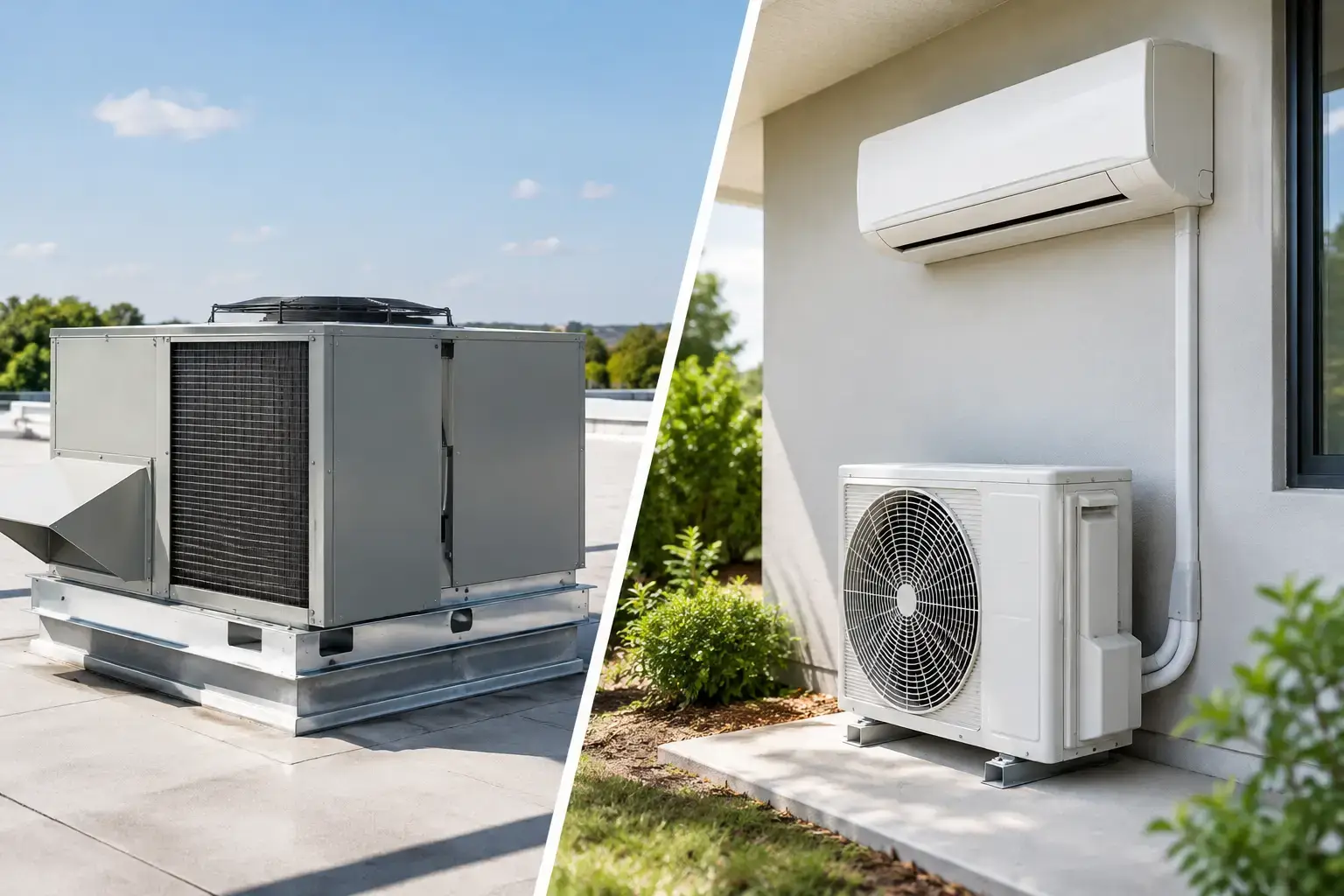 Rooftop Unit or Split System: Which Fits? (2026)
 Reduce humidity with AC — How to Reduce Humidity With AC in So…