A high electric bill can feel like it came out of nowhere, especially after a stretch of 100-degree South Texas weather. But the answer to what causes high electric bill charges is usually not one mysterious problem. It is often a combination of longer AC run times, heat entering the home, aging equipment, and changes in how electricity is billed. Understanding what causes high electric bill rates is essential for managing energy consumption effectively.
- What Causes a High Electric Bill During Hot Weather?
- Heat Gain Can Overwork a Good AC System
- Appliances and Everyday Habits Add Up
- Check the Bill Before Assuming Equipment Failed
- Signs Your AC May Be Driving Up Energy Use
- Practical Steps to Take Before the Next Bill
- Understanding What Causes High Electric Bill
The first step is to compare the bill with the same month last year. Look at both the total amount due and the number of kilowatt-hours used. If usage jumped, something in the home or business is consuming more power. If usage stayed about the same but the cost rose, your electric rate, delivery charges, or billing plan may be part of the increase.
What Causes a High Electric Bill During Hot Weather?
In the Coastal Bend, air conditioning is usually the biggest contributor to summer electricity use. Your AC is not meant to run just a few minutes each hour when outdoor temperatures are pushing triple digits. Longer cycles can be normal. The concern is when the system runs almost continuously, struggles to maintain the thermostat setting, or produces uneven temperatures from room to room.
A dirty air filter is one of the simplest causes. Restricted airflow makes the blower work harder and can reduce the amount of cooling moving through the house. A clogged filter will not always create a dramatic bill by itself, but it can add stress to an already overworked system. Check it monthly during heavy cooling season and replace it when it is visibly loaded with dust.
Low refrigerant, dirty coils, a weak capacitor, duct leaks, or an aging compressor can also make an AC system less efficient. The equipment may still cool the home, but it has to run longer to do it. That extra runtime shows up on the electric bill and can lead to a breakdown when the system is under the most strain.
Thermostat settings matter too. Setting the thermostat extremely low will not cool the home faster. It only tells the system to run longer until it reaches that temperature. A reasonable setting that balances comfort and energy use is often better than making frequent, large adjustments throughout the day.
Heat Gain Can Overwork a Good AC System
Not every high bill is an air conditioner failure. A properly operating AC system can still use too much energy when the building cannot hold conditioned air.
Inadequate attic insulation is a common issue in older homes. Roof heat builds up in the attic, then transfers into living spaces below. The AC has to remove that heat hour after hour. Blown-in insulation can make a meaningful difference when coverage is thin, uneven, or compressed, but the right solution depends on the home’s existing insulation, ventilation, and air leaks.
Leaky ducts create a similar problem. If cooled air is escaping into a hot attic, crawlspace, or wall cavity, your system is paying to condition areas no one uses. Return duct leaks are especially troublesome because they can pull hot, humid attic air into the system. That raises indoor humidity and makes the home feel warmer even when the thermostat says otherwise.
Windows, exterior doors, recessed lighting, and poorly sealed attic access points can also let in heat and humidity. Closing blinds on sun-facing windows and checking weatherstripping are practical first steps. Still, if certain rooms remain hot while others are comfortable, the problem may be duct design, insulation, airflow balance, or undersized equipment rather than a simple draft.
Appliances and Everyday Habits Add Up
Ultimately, identifying what causes high electric bill issues is key to preventing future surprises.
Being aware of what causes high electric bill charges enables proactive measures to be taken.
Your HVAC system deserves attention first, but it is not the only possible source of higher energy use. Water heaters, electric dryers, ovens, pool pumps, old refrigerators, and portable space heaters can all raise consumption. An extra refrigerator in a hot garage has to work much harder than one kept indoors. A failing refrigerator seal or dirty condenser coils can make that appliance run longer than it should.
Electric water heaters are another frequent source of surprise. A leaking hot-water pipe, a failed heating element, or a household guest staying for several weeks can increase use noticeably. If you hear the water heater cycling often or find hot water running when no fixture is open, have the plumbing and equipment checked.
For commercial properties, refrigeration equipment deserves the same scrutiny as HVAC. A walk-in cooler with worn door gaskets, dirty condenser coils, poor airflow, or a refrigeration issue can run excessively and drive up utility costs. Ice machines, reach-ins, and refrigerated prep equipment can also consume more power when maintenance is delayed. In a restaurant or retail setting, an energy problem can become a product-loss problem if it is ignored.
Check the Bill Before Assuming Equipment Failed
A higher bill does not always mean the home used more electricity. Utility rates can change, and some plans have seasonal pricing, time-of-use charges, fuel adjustments, minimum fees, or higher charges after certain usage thresholds. Review the rate per kilowatt-hour, the billing dates, and the total days in the billing cycle.
A bill covering 35 days instead of 28 will naturally look higher. Estimated meter readings can also create a temporary spike that corrects later. If you recently switched plans, moved into a different home, added an electric vehicle charger, installed a pool, or began working from home, those changes should be part of the conversation.
The key distinction is simple: a rate issue changes what you pay for electricity, while an efficiency issue changes how much electricity you use. Sometimes both happen at once, which is why looking only at the dollar total can be misleading.
Signs Your AC May Be Driving Up Energy Use
An HVAC inspection is worthwhile when the bill increase comes with comfort problems. Watch for an AC that runs for long periods without reaching the set temperature, weak airflow from supply vents, warm rooms, unusually high indoor humidity, ice on refrigerant lines, water around the indoor unit, or new noises during startup and operation.
Also pay attention to the age of the system. Older equipment can continue operating for years, but efficiency declines when components wear, coils become dirty, ducts leak, and repairs begin to stack up. Replacement is not automatically the right answer. A well-maintained system with a repairable issue may still have useful life left. However, if repair costs are recurring and cooling performance is poor, comparing repair costs with a properly sized high-efficiency replacement is a practical decision.
Oversizing has trade-offs as well. A system that is too large may cool quickly but shut off before removing enough humidity. In South Texas, that can leave rooms feeling clammy and uncomfortable. Proper load calculations, ductwork condition, insulation levels, and indoor airflow should all be considered before installing new equipment.
Practical Steps to Take Before the Next Bill
Start with the basics: replace the filter, make sure supply vents are open and not blocked by furniture, clean visible debris from around the outdoor condenser, and avoid setting the thermostat far below your usual comfort level. Do not spray coils with high-pressure water or attempt electrical repairs yourself. Damaged fins, wiring, and refrigerant components require trained service.
Then compare your current kilowatt-hour use with prior bills and note when the increase began. Did it follow a heat wave, a thermostat change, a new appliance, a repair, or a comfort issue? That information helps narrow down the cause quickly.
If your system is running hard, your home feels humid, or the bill increase has no clear explanation, a professional maintenance visit can identify airflow, refrigerant, electrical, coil, duct, and insulation concerns before they become a larger expense. Precision Air helps homeowners and businesses across the Coastal Bend find the actual cause and recommend a straightforward path forward.
A high bill is frustrating, but it is also useful information. Addressing the cause early can protect comfort, reduce unnecessary runtime, and give your equipment a better chance of making it through the next hard stretch of heat.
Understanding What Causes High Electric Bill
Monitoring your energy consumption regularly can reveal patterns that indicate when issues arise. Simple changes, like upgrading to energy-efficient appliances or sealing leaks, can lead to significant savings. Additionally, scheduling routine inspections ensures that your HVAC system operates at peak efficiency year-round. Homeowners should also consider programmable thermostats to better manage energy use during peak hours. Taking proactive steps can transform a frustrating bill into manageable expenses while enhancing overall comfort.
Further reading: What causes high electric bill on nytimes.com.
In short, what causes high electric bill rewards a careful, informed approach. Use this what causes high electric bill guide as a starting framework, adapt it to your situation, and re-check the facts whenever the topic moves.
Related Posts
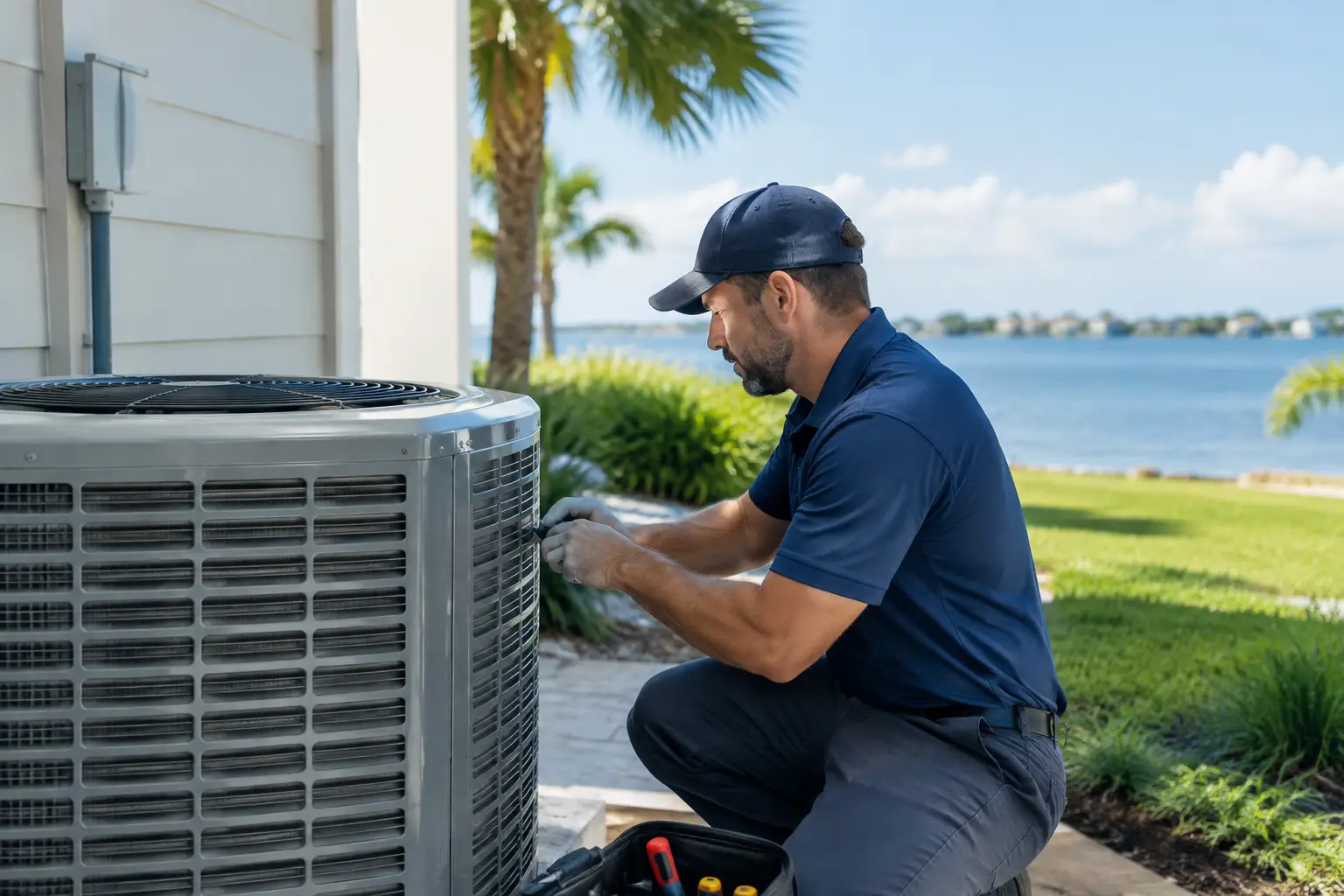 Gulf Coast HVAC Guide for Homes and Businesses — Best Guide 2026
 Walk In Freezer Guide for South Texas Businesses (2026)
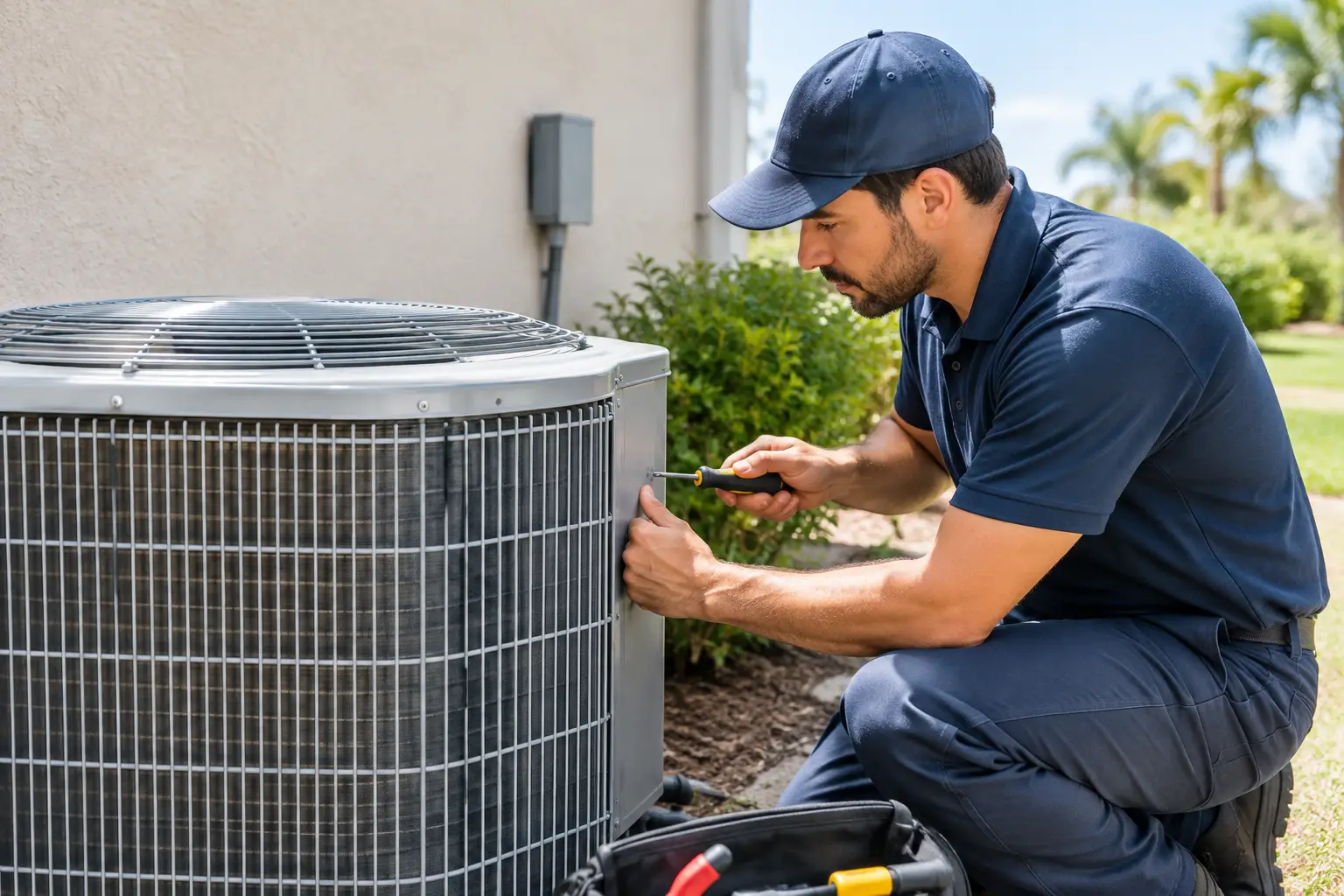 12 Best AC Maintenance Tips for South Texas