

Residential air conditioning replacement, Air Conditioning Replacement, residential AC systems, HVAC contractor, insulation — this guide covers everything you need to know about residential air conditioning replacement, Air Conditioning Replacement, residential AC systems, HVAC contractor, insulation, with practical tips and the latest updates.
- Residential air conditioning replacement,Air Conditioning Replacement,residential AC systems,HVAC contractor,insulation: When residential air conditioning replacement makes sense
- Repair or replace? The answer depends on the full picture
- What to expect from the residential air conditioning replacement process
- Choosing the right system for your home
- How much replacement really cost
- Why timing matters in South Texas
- What a reliable contractor should provide
- The value of maintenance after replacement
I’ll be straight with you — If your AC is limping through another South Texas summer, the question usually isn’t whether it can be repaired one more time. It’s whether putting more money into an aging system still makes sense. Residential air conditioning replacement is a big decision, but in a hot, humid climate, waiting too long can leave you with higher bills, uneven cooling, and a breakdown at the worst possible time.
For many homeowners, choosing the right time forresidential air conditioning replacement can prevent unexpected breakdowns and restore comfort before peak summer heat arrives.
Honestly, For many homeowners, the warning signs show up slowly. Maybe the system runs longer than it used to. Maybe some rooms stay warm no matter how low you set the thermostat. Maybe repair calls are getting more frequent, or your electric bill keeps climbing without a clear reason. A replacement isn’t always the first answer, but there comes a point when it becomes the smarter and more cost-effective move.
Residential air conditioning replacement,Air Conditioning Replacement,residential AC systems,HVAC contractor,insulation: Residential air conditioning replacement, Air Conditioning Replacement, residential AC systems, HVAC contractor, insulation for: When residential air conditioning replacement makes sense
Age is one of the clearest factors. Most residential AC systems have a service life of around 10 to 15 years, depending on maintenance, installation quality, usage, and local conditions. Along the Gulf Coast, salt air, long cooling seasons, and heavy humidity can add wear faster than many homeowners expect.
That doesn’t mean every 12-year-old system needs to be replaced. Some units are still worth repairing if they’ve been maintained well and the issue is minor. But if your equipment is older and facing a major repair, replacement deserves a serious look.
Frequent breakdowns are another clear signal. A capacitor or contactor failure once in a while is one thing. A pattern of compressor issues, refrigerant leaks, blower problems, and drain line trouble is different. At some point, repair costs start stacking up without solving the bigger problem, which is that the whole system is wearing out.
Efficiency matters too. Older systems often use more electricity to produce less cooling. If your home never seems comfortable, even though the unit runs constantly, the equipment may no longer be operating at a level that matches your needs. In South Texas, that’s not just an annoyance. It can affect your monthly budget all summer long.
If the system is showing repeated failures, rising bills, or declining comfort, it’s usually a sign that residential air conditioning replacement is becoming the more practical long‑term option.
Repair or replace? The answer depends on the full picture
There’s no honest one-size-fits-all rule here. Sometimes a repair is absolutely the right call. If the system is relatively new, the repair is straightforward, and the rest of the equipment is in good shape, replacement may be unnecessary.
But if your unit is older, out of warranty, and facing a costly repair, the math starts to shift. Spending a significant amount on a failing system can feel cheaper in the moment, yet cost more over the next year or two. That’s especially true if the unit is already driving up energy bills or struggling to maintain consistent temperatures.
Refrigerant type can also affect the decision. Many older systems use refrigerants that are more expensive and harder to source than they used to be. If your system has a major leak and uses outdated refrigerant, replacement can be more practical than pouring money into a repair that may not hold up.
The best approach is to look at age, repair history, operating cost, comfort issues, and overall condition together. A trustworthy HVAC contractor should walk you through those factors clearly, not push you into a replacement before it’s justified.
When repair costs begin stacking up without solving the underlying issues, residential air conditioning replacement often delivers better reliability and lower operating costs.
What to expect from the residential air conditioning replacement process
A proper replacement starts with evaluating the house, not just swapping boxes. The old system size may not be the right size for the home today. Additions, insulation changes, duct issues, window upgrades, and occupancy changes can all affect cooling demand.
That’s why load calculation and system matching matter. An oversized unit can short-cycle, leaving the home cool but clammy. An undersized unit may run nonstop and still struggle during peak heat. In a humid climate, that balance is especially important because comfort isn’t only about temperature. Moisture removal plays a big role.
A full replacement may include the outdoor condenser, indoor evaporator coil, and air handler or furnace, depending on the system type. In many cases, replacing only one piece creates performance issues or reduces efficiency. Matched systems are designed to work together, and that usually gives homeowners the best long-term result.
The installation itself should include more than placing new equipment. Refrigerant charge, airflow adjustment, electrical connections, drain setup, thermostat compatibility, and duct performance all matter. Even a high-quality unit can underperform if the install is rushed or corners are cut.
A well‑planned residential air conditioning replacement ensures the new system is properly matched to the home’s cooling load, ductwork, and humidity needs.
Homeowners benefit most when residential air conditioning replacement is based on comfort goals, efficiency needs, and the home’s actual cooling demands.
Choosing the right system for your home
Bigger isn’t better, and the highest efficiency rating isn’t always the best value either. The right system depends on your home, your comfort priorities, and your budget.
If your current setup cools evenly and your utility bills are the main issue, a higher-efficiency replacement may make sense. If humidity and hot spots are bigger complaints, a variable-speed or two-stage system could offer better comfort than a basic single-stage unit. These systems can run at lower output for longer periods, which often improves temperature consistency and moisture control.
Ductwork shouldn’t be ignored. If ducts are leaking, poorly sized, or dirty enough to restrict airflow, a new AC alone may not fix the comfort problems you’re hoping to solve. The same goes for attic insulation. In many homes, improving insulation and sealing air leaks can help a new system perform better and reduce stress on the equipment.
Indoor air quality can also be part of the conversation. In humid areas, homeowners often benefit from looking at filtration, humidity control, and duct cleanliness during a replacement project. These upgrades aren’t mandatory in every case, but they can make a noticeable difference in comfort and system performance.
How much replacement really costs
Homeowners usually want a single number, but the honest answer is that cost depends on equipment size, efficiency level, home layout, duct condition, installation complexity, and whether any upgrades are needed to bring the system up to current standards.
A lower upfront price isn’t automatically the best value. If the installation quality is poor, the system is mismatched, or important airflow issues are ignored, you can end up paying for those shortcuts in repairs, higher bills, and shorter equipment life.
Modern residential air conditioning replacement options often provide better humidity control and lower energy use compared to older equipment.
At the same time, the most expensive option isn’t always necessary. Some homes do very well with a straightforward, properly installed mid-range system. Others benefit from advanced equipment because of layout, humidity problems, or long cooling seasons. What matters is choosing the system that fits the home, not the sales pitch.
Financing can make replacement easier to manage, especially when a system fails unexpectedly in peak summer. That can give homeowners room to choose the right equipment instead of settling for a rushed decision based only on immediate cash flow.
Why timing matters in South Texas
In cooler parts of the country, homeowners sometimes stretch out an aging AC for another season without much risk. Here, that gamble is harder to justify. Air conditioning isn’t a luxury during a South Texas summer. It’s basic comfort, and for many households, it’s a safety issue.
Replacing a system before total failure gives you more control. You’ve time to compare options, ask questions, and schedule the work without the pressure of a house getting hotter by the hour. Emergency replacements can still be handled quickly, but they usually come with more stress and less flexibility.
This is one reason many homeowners call for an evaluation when the system starts showing repeated signs of trouble instead of waiting for a complete shutdown. A clear inspection can tell you whether the unit still has useful life left or whether replacement is the better path.
What a reliable contractor should provide
A good replacement experience starts with honesty. You should get a clear explanation of what’s wrong with the current system, whether repair is still reasonable, and what options make sense for your home. If every conversation jumps straight to the highest-priced equipment, that’s a red flag.
You should also expect proper sizing, code-compliant installation, transparent pricing, and realistic expectations about performance. No contractor can promise that one new unit will solve every comfort problem if the house also has major duct or insulation issues. Straight answers matter.
That local experience makes a difference. A contractor serving homeowners in Corpus Christi and surrounding Coastal Bend communities should understand what salt exposure, humidity, long run times, and attic heat do to AC equipment over time. Precision Air approaches replacement with that practical mindset – do the job right, match the system to the home, and help the equipment last.
If your current system is struggling, a clear evaluation can determine whether residential air conditioning replacement will improve comfort, efficiency, and long‑term reliability.
The value of maintenance after replacement
A new system is a fresh start, not a set-it-and-forget-it purchase. Regular maintenance helps protect efficiency, catch small issues early, and keep the manufacturer’s warranty in good standing where applicable.
That’s particularly important in areas where air conditioning systems work hard for much of the year. Dirty coils, low airflow, clogged drains, and neglected electrical components can shorten the life of even a well-installed unit. Routine service gives your replacement the best chance to deliver the comfort and operating cost you expected.
If your current AC is becoming less reliable, the smartest next step isn’t guessing. It’s getting a clear assessment of the system you’ve, the repair outlook, and what replacement would actually improve. The right answer should leave you with more confidence, lower stress, and a home that stays comfortable when the heat doesn’t let up.
Ready for a Residential Air Conditioning Replacement?
If your AC is aging, struggling, or driving up your energy bills, now is the right time to get a clear, honest evaluation. Precision Air helps homeowners choose the right system and ensures every residential air conditioning replacement is installed for long‑term comfort and efficiency.
Call or email to schedule your evaluation:
📞 Phone: 361‑800‑2465
📧 Email: info@precisionaircc.com
📄 Contact Page: https://www.precisionaircc.com/contact/
Comfort, efficiency, and reliability — done right the first time.
FAQ — Residential Air Conditioning Replacement
u003cstrongu003eHow do I know when residential air conditioning replacement is the better choice?u003c/strongu003e
If your system is older, breaking down frequently, struggling to cool evenly, or driving up energy bills, it may be time for u003cstrongu003eresidential air conditioning replacementu003c/strongu003e. When repair costs keep stacking up without solving comfort issues, replacement often becomes the more cost‑effective long‑term option.
u003cstrongu003eIs it worth repairing an older AC system instead of replacing it?u003c/strongu003e
Repairs can make sense for newer systems or minor issues, but older units facing major repairs often benefit more from u003cstrongu003eair conditioning replacementu003c/strongu003e. Age, refrigerant type, repair history, and energy usage all play a role in deciding which option delivers better value.
u003cstrongu003eWhat is included in a residential air conditioning replacement?u003c/strongu003e
A proper u003cstrongu003eresidential air conditioning replacementu003c/strongu003e includes evaluating the home’s cooling load, matching the system to the ductwork, installing the indoor and outdoor units, setting the refrigerant charge, adjusting airflow, and verifying electrical and drain components. A quality installation ensures the new system performs as designed.
u003cstrongu003eHow long does air conditioning replacement take?u003c/strongu003e
Most u003cstrongu003eair conditioning replacementu003c/strongu003e projects can be completed in a single day. More complex installations — such as duct repairs, insulation upgrades, or system conversions — may take longer. A contractor should explain the timeline clearly before work begins.
u003cstrongu003eDoes replacing my AC improve energy efficiency?u003c/strongu003e
Yes. Modern systems are designed to cool more effectively while using less electricity. A properly installed u003cstrongu003eresidential air conditioning replacementu003c/strongu003e can reduce energy bills, improve humidity control, and provide more consistent comfort throughout the home.
u003cstrongu003eShould ductwork be replaced during an AC replacement?u003c/strongu003e
Not always — but it should be evaluated. Leaking, undersized, or restricted ducts can limit the performance of a new system. Addressing duct issues during u003cstrongu003eair conditioning replacementu003c/strongu003e often improves comfort and efficiency.
u003cstrongu003eHow much does residential air conditioning replacement cost?u003c/strongu003e
Costs vary based on system size, efficiency rating, duct condition, installation complexity, and any upgrades needed to meet current standards. A trustworthy contractor should provide clear, transparent pricing and explain what affects the total cost.
u003cstrongu003eWhen is the best time to replace an AC system in South Texas?u003c/strongu003e
Replacing before total failure gives homeowners more control. In South Texas, waiting until peak summer heat can lead to emergency scheduling and limited options. Planning u003cstrongu003eresidential air conditioning replacementu003c/strongu003e early helps avoid stress and ensures better system selection.
Sources:
Energy Efficiency & System Performance
DOE – Central Air Conditioning Efficiency
Why AC Smells Musty and What to Do — Best Guide 2026
In short, residential air conditioning replacement,Air Conditioning Replacement,residential AC systems,HVAC contractor,insulation rewards a careful, informed approach. Use this residential air conditioning replacement,Air Conditioning Replacement,residential AC systems,HVAC contractor,insulation guide as a starting framework, adapt it to your situation, and re-check the facts whenever the topic moves.
#ac efficiency #AC installation #ac lifespan #ac maintenance #ac repair or replace #AC Replacement #ac system upgrade #ac troubleshooting #air conditioner replacement #air conditioning replacement #home cooling system #HVAC installation #hvac replacement #new AC system #residential ac replacement #residential air conditioning replacement
Related Posts
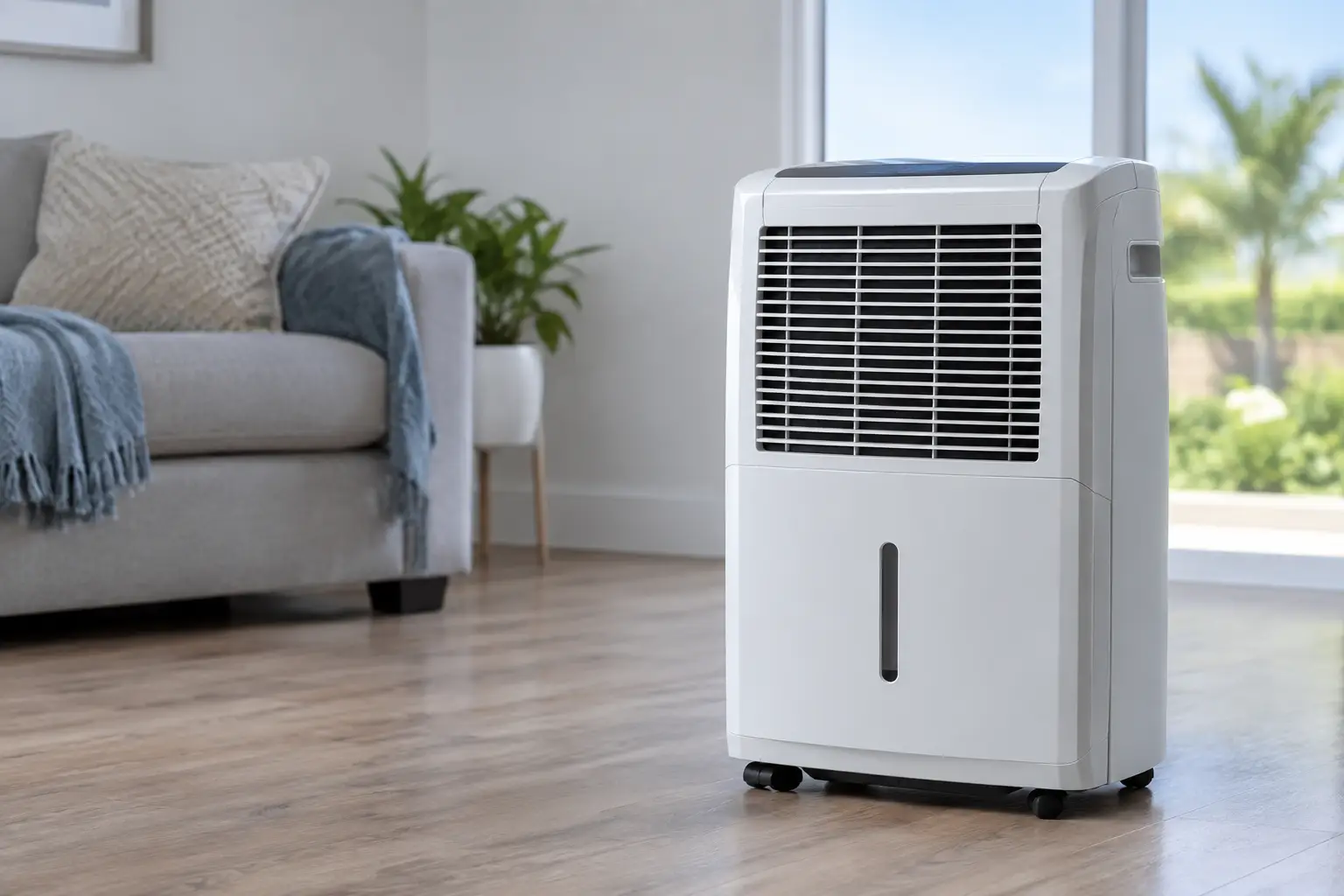 Whole Home Dehumidifier Review for South Texas — Best Guide 2026
Air Handler vs Furnace: Which System Fits? — Best Guide 2026
Maintain walk in cooler — How to Maintain Walk In Cooler Equip…
Whole Home Dehumidifier Review for South Texas — Best Guide 2026
Air Handler vs Furnace: Which System Fits? — Best Guide 2026
Maintain walk in cooler — How to Maintain Walk In Cooler Equip…