A tripped air conditioner breaker can turn a South Texas afternoon into an urgent problem fast. Knowing how to reset AC breaker safely may get your system running again, but it is not a cure for an electrical or mechanical issue. If the breaker trips a second time, the safest move is to leave it off and schedule professional service.
Your AC draws a significant amount of electricity, especially during the hottest, most humid parts of the year. A breaker is designed to shut off power when it detects conditions that could damage equipment, wiring, or your property. Treat a tripped breaker as useful information, not just an inconvenience.
How to Reset an AC Breaker Safely
Before touching the electrical panel, make sure your hands are dry and the area around the panel is clear. Do not attempt this if you smell burning, see smoke, notice melted wiring, or hear buzzing from the panel or outdoor unit. Those are reasons to call for HVAC and electrical help immediately.
Start by setting your thermostat to Off. This prevents the AC from immediately trying to start when power is restored. Then locate your home’s main electrical panel. The AC breaker may be labeled “AC,” “air conditioner,” “condenser,” “HVAC,” or “heat pump.” In some homes, the outdoor unit is on a double-pole breaker, which has two connected switches and takes up two panel slots.
A tripped breaker does not always look fully off. It may sit in a middle position between On and Off. To reset it properly, push the breaker firmly all the way to Off first. Then move it firmly back to On.
Wait about five minutes before turning the thermostat back to Cool. Set the temperature several degrees below the current indoor temperature and listen for the system to begin its normal startup cycle. The indoor blower may come on first, followed by the outdoor condenser.
If the breaker stays on and the system cools normally, keep an eye on it over the next day or two. One isolated trip can happen during a severe storm, after a brief power interruption, or during unusually heavy demand. It still deserves attention if it becomes a pattern.
Do Not Keep Resetting a Tripped AC Breaker
One reset attempt is reasonable when there are no signs of danger. Repeatedly resetting the breaker is not. Every trip means the breaker has detected excessive current or another fault condition. Forcing power back to the equipment can damage the compressor, wiring, capacitors, or breaker itself.
If the breaker trips again immediately, leave it off. If it runs for a few minutes or hours and then trips again, shut it off and arrange a diagnostic visit. The timing helps narrow down the issue, but it does not make repeated resets safe.
This matters even more for businesses. A breaker that trips on a walk-in cooler, reach-in refrigerator, ice machine, or commercial HVAC system can lead to inventory loss, uncomfortable customers, and interrupted operations. Do not let staff repeatedly cycle the power in hopes that it will hold. Prompt service is usually less costly than equipment damage or a full shutdown.
Why an AC Breaker Trips
A breaker can trip for several reasons. Some are relatively straightforward maintenance problems. Others require electrical testing and HVAC repair.
A dirty air filter is a common contributor. When airflow is restricted, the indoor blower works harder and the system may overheat or draw more power than normal. A heavily clogged outdoor condenser coil can create similar strain by making it harder for the system to release heat outdoors.
The outdoor unit may also have a failing capacitor, worn contactor, weak compressor, damaged fan motor, or loose electrical connection. These components can cause high amperage at startup or while the system is running. In Coastal Bend conditions, salt air, humidity, heat, and long cooling seasons can speed up corrosion and wear on outdoor electrical parts.
Low refrigerant is another possibility, although it is not a simple “top it off” situation. Refrigerant operates in a sealed system. If the level is low, there may be a leak that needs to be located and repaired. Continuing to run an undercharged system can place added stress on the compressor.
Sometimes the problem is not inside the AC equipment. The breaker could be weak, the circuit may have wiring damage, or a power surge may have affected the system. A qualified technician can check voltage, amp draw, electrical connections, capacitors, motors, and system pressures to identify the actual cause.
Check These Simple Issues Before You Call
There are a few safe checks a homeowner or property manager can make without opening equipment panels or handling wiring. First, confirm that the thermostat is set to Cool and that its batteries are working if it uses them. Then check the air filter. If it is gray, packed with dust, or has not been changed in months, replace it with the correct size and airflow rating.
Walk outside and look at the condenser unit from a distance. Remove leaves, grass clippings, and loose debris around it, leaving clear space for airflow. Do not spray water into the electrical compartment, remove access panels, or try to spin the fan by hand.
Also look for signs of a frozen system. Ice on the refrigerant line, outdoor unit, or indoor coil area can point to airflow or refrigerant problems. Turn the thermostat off rather than continuing to run cooling. You can set the fan to On to help move air across the indoor coil while waiting for service, but do not reset the breaker again if it has tripped.
When a Breaker Trip Is an Emergency
Call for immediate professional help if the breaker will not reset, trips right away, or the panel feels hot. Burning odors, scorched outlets, buzzing, visible wire damage, or smoke are also urgent warning signs. Keep people away from the equipment and do not touch damaged electrical components.
For commercial refrigeration, an outage can become time-sensitive even if there is no obvious electrical hazard. Keep cooler and freezer doors closed as much as possible to protect temperatures while arranging service. Document temperatures and move products according to your food safety procedures if needed.
A loss of cooling in extreme South Texas heat can also be urgent for households with infants, older adults, pets, or anyone with medical vulnerabilities. If the equipment has a suspected electrical fault, do not bypass safety controls or attempt a temporary wiring fix. Fast, honest, and dependable service starts with protecting people and property first.
Preventing Future AC Breaker Trips
Preventive maintenance cannot eliminate every failure, but it can catch many of the conditions that cause nuisance trips and major breakdowns. Regular filter changes, clean coils, clear drain lines, secure electrical connections, and measured amp draw all support safer, more reliable operation.
A professional maintenance visit is particularly valuable before the long summer cooling season. Technicians can inspect parts that are not safe or practical for homeowners to test, including capacitors, contactors, compressor performance, refrigerant operation, and breaker-related electrical connections. For businesses, scheduled maintenance can be coordinated around operating hours to reduce disruption.
If your system is older and breaker trips are becoming more frequent, repair may still be the right choice, but it depends on the diagnosis, repair cost, energy performance, and condition of the compressor. A clear explanation of the findings should come before any recommendation to repair or replace.
A breaker that trips once may be a minor interruption. A breaker that trips again is your AC asking for attention. Leave the power off, protect the equipment from further damage, and have the system checked before the next hot day turns a small issue into a larger one.
Related Posts
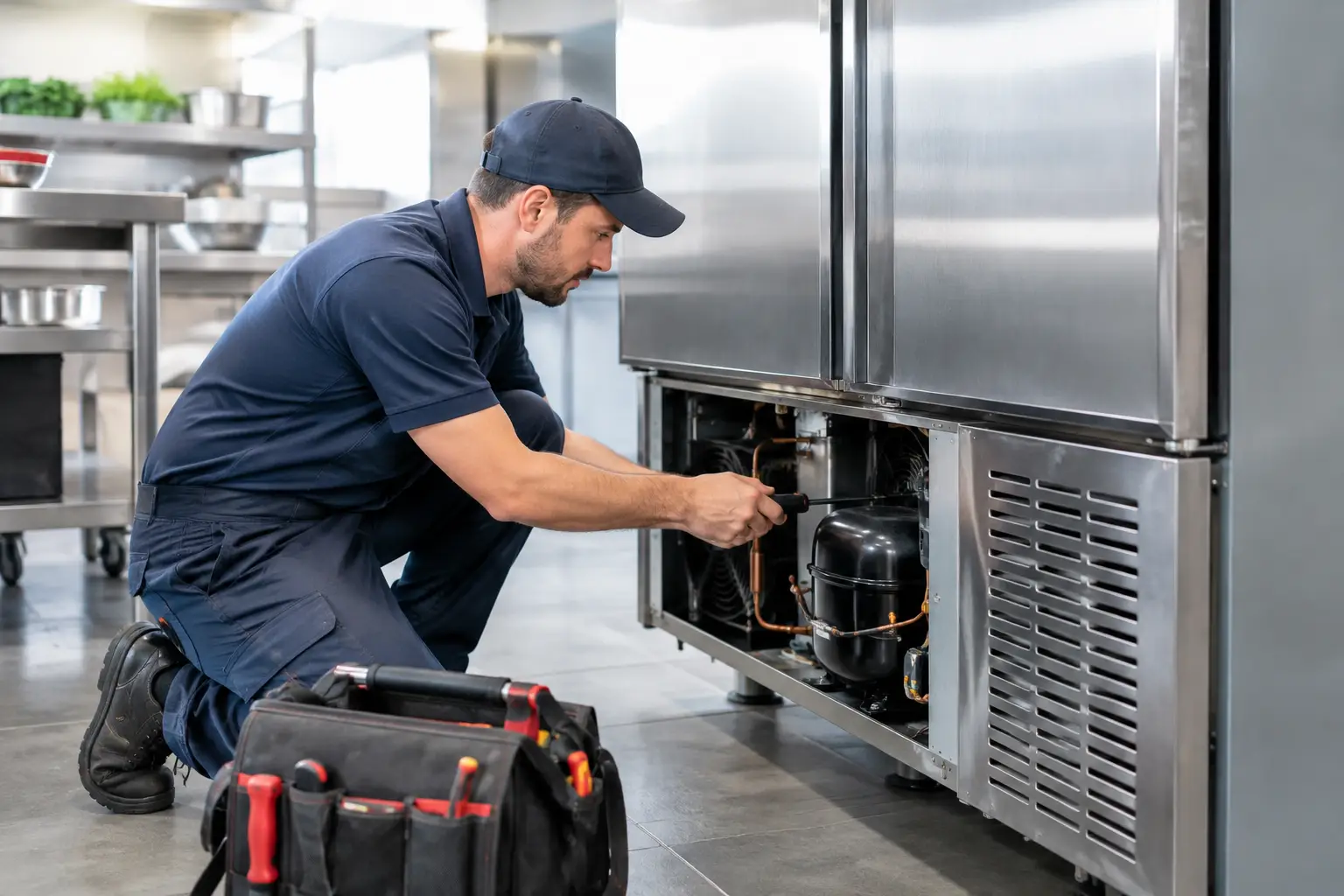 Commercial Refrigeration Victoria: Repair or Replace?
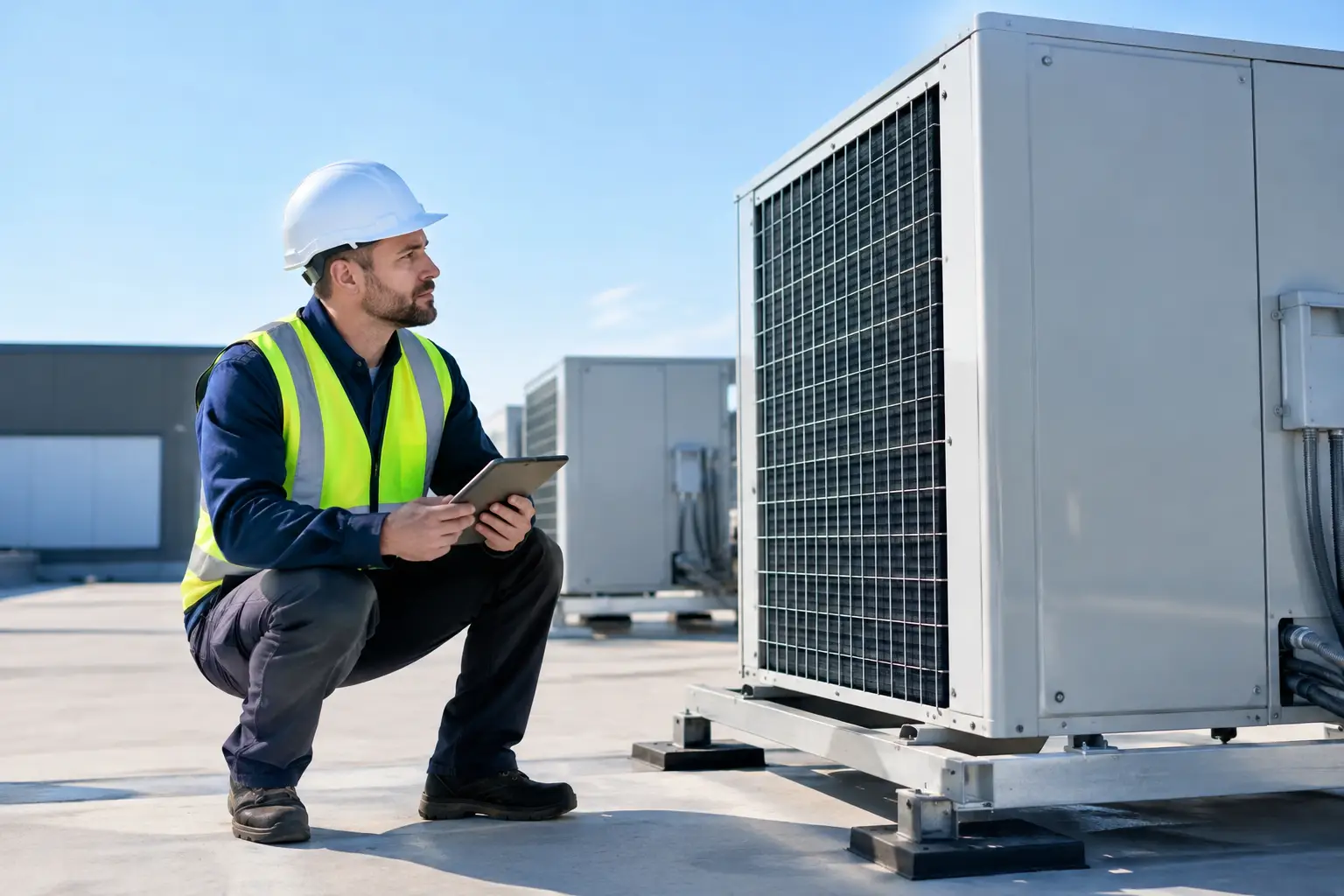 When Commercial HVAC Replacement Makes Sense