A Rockport air conditioner does not get much time to ease into summer. Long stretches of heat, Gulf humidity, salt air, and high cooling demand can expose every weak point in an aging system. When it is time for air conditioner installation Rockport homeowners can depend on, the goal is not simply to get cold air moving again. It is to install equipment that is correctly sized, properly protected, and set up to perform through the Coastal Bend’s toughest weather.
- Why Air Conditioner Installation in Rockport Requires Local Experience
- Proper Sizing Is the First Installation Decision
- Choosing the Right Type of System
- What a Quality AC Installation Should Include
- Do Not Overlook Ductwork and Indoor Air Quality
- Plan for Cost Without Cutting Corners
- Protect Your New System After Installation
- Expert Guidance for Air Conditioner Installation Rockport
A new system is a major home decision. The right installation can improve comfort, control humidity, reduce surprise repair costs, and help manage monthly energy use. The wrong one can leave a homeowner with uneven rooms, frequent cycling, and a system that wears out earlier than it should.
Why Air Conditioner Installation in Rockport Requires Local Experience
Cooling equipment in Rockport faces conditions that matter during equipment selection and installation. High outdoor temperatures put steady pressure on the compressor. Humidity affects how comfortable the home feels at a given thermostat setting. Coastal air can also speed up corrosion on exposed outdoor components, especially when equipment is neglected.
That does not mean every home needs the same high-end system or add-on. It means the contractor should look at the home, the existing ductwork, the equipment location, and the family’s comfort priorities before recommending a solution. A modestly sized home with tight insulation needs may have very different cooling needs from an older house with leaky ducts, sun-facing windows, or an addition that was never properly tied into the HVAC design.
Local experience also matters after the installation. A system needs routine service to stay efficient in a climate where it may run for much of the year. Choosing a company that can provide ongoing maintenance and respond when a problem occurs gives homeowners one dependable point of contact.
Proper Sizing Is the First Installation Decision
Many homeowners assume a larger air conditioner will cool better. In practice, an oversized system can create its own problems. It may cool the space too quickly and shut off before removing enough moisture from the air. The result can be a home that feels cool but clammy, with temperature swings and unnecessary wear from frequent starts and stops.
An undersized system has the opposite problem. It can run for long periods without reaching the desired temperature during the hottest part of the day. That adds strain to the equipment and can drive up energy costs.
A dependable recommendation starts with a load calculation rather than a guess based only on the old unit’s size. Square footage is part of the equation, but it is not the whole story. Insulation levels, ceiling height, window exposure, occupancy, duct condition, and heat-producing appliances all affect the amount of cooling a home needs.
If the existing system struggled, the solution may not always be more tonnage. Duct leakage, poor airflow, insulation gaps, or a thermostat issue may have contributed to the problem. Addressing those conditions during a replacement helps the new equipment deliver the comfort it was designed to provide.
Choosing the Right Type of System
Most Rockport homes are well served by a central split air conditioning system, with an outdoor condenser and indoor air handler or furnace coil. This is often the most practical replacement when the home already has functional ductwork. Efficiency levels, comfort features, and budget can then guide the equipment choice.
A single-stage system is generally the most straightforward option. It runs at full capacity whenever it is on and can be a sensible fit for homeowners focused on a reliable, cost-conscious replacement. Two-stage and variable-capacity systems can offer more gradual cooling, quieter operation, and better humidity control. They can also cost more upfront, so the best choice depends on how long you expect to stay in the home, how consistent you want temperatures to feel, and what your budget allows.
Heat pumps deserve consideration as well. They provide cooling in summer and heating during cooler weather by moving heat rather than creating it through combustion. South Texas winters are generally mild enough that a heat pump can be an efficient all-season comfort option. It still needs to be matched to the home and installed correctly, particularly when integrating with existing electrical service and ductwork.
For room additions, garages, small buildings, or areas without ducts, a ductless mini-split may be a better fit than extending an already strained central system. The right answer depends on the space. A technician should explain the trade-offs clearly rather than push one solution for every property.
What a Quality AC Installation Should Include
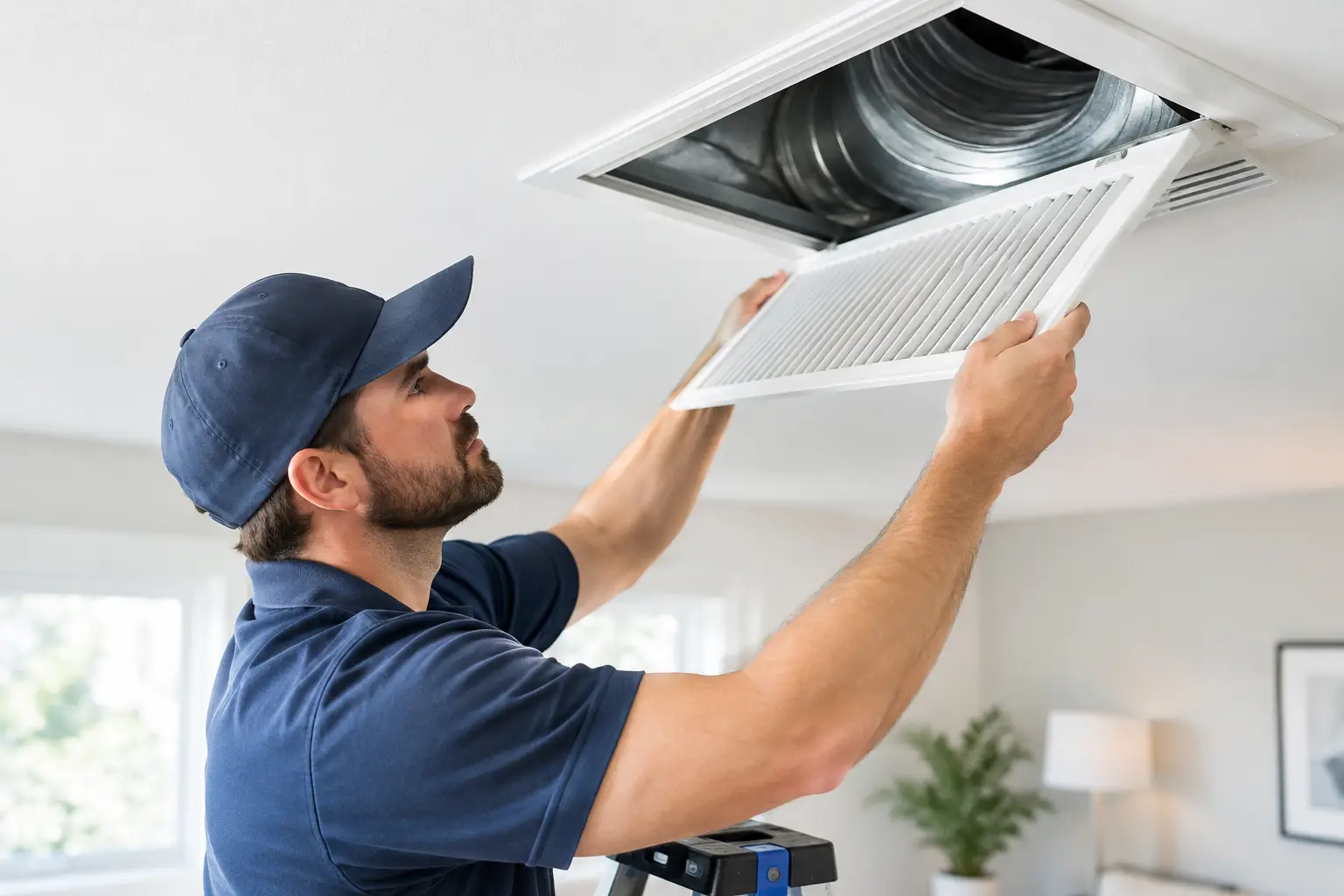
The equipment itself is only one part of the job. Installation quality has a direct effect on efficiency, reliability, safety, and warranty compliance. A professional installation should begin with an assessment of the old system and the home’s cooling needs, followed by a clear estimate that explains what is included.
During the installation, technicians should inspect the equipment pad or mounting location, electrical connections, refrigerant line set, condensate drain, and duct connections. Details such as properly sealing duct joints and confirming that the condensate drain flows correctly can prevent avoidable comfort issues and water damage later.
Refrigerant work also needs to be done carefully. The system must be evacuated, charged to manufacturer specifications, and tested for proper operation. Simply turning the system on and confirming that it blows cool air is not enough. A complete startup should include airflow checks, temperature measurements, thermostat testing, and verification that the unit cycles as intended.
Before the crew leaves, homeowners should understand how to operate the thermostat, where to change filters, and what maintenance the system will need. Clear answers are part of doing the job right the first time.
Do Not Overlook Ductwork and Indoor Air Quality
A new outdoor unit cannot overcome a duct system that leaks, restricts airflow, or sends conditioned air into a hot attic. In some homes, duct improvements are the difference between a replacement that feels merely adequate and one that makes every room noticeably more comfortable.
Common signs of duct-related trouble include rooms that stay warmer than others, weak airflow from supply vents, excessive dust, and unusually high cooling bills. Depending on the condition of the system, sealing, repair, cleaning, or selective replacement may be worthwhile during installation. It is usually easier and more cost-effective to address these concerns while the HVAC work is already underway.
Indoor air quality also deserves attention in a humid coastal climate. High humidity can encourage musty odors and make the home feel warmer than the thermostat indicates. Proper system sizing and airflow are the foundation. In some situations, filtration upgrades, duct cleaning, or humidity-focused solutions can add further benefit. These should be recommended based on an actual need, not treated as automatic extras.
Plan for Cost Without Cutting Corners
The cost of a new air conditioner varies based on system size, efficiency rating, equipment features, ductwork needs, electrical updates, and installation complexity. An honest estimate should make those factors clear. A low initial price can become expensive if key parts of the installation are skipped or if the system is poorly matched to the house.
When comparing proposals, look beyond the brand name and equipment size. Ask what work is included, whether permits or code requirements apply, how the system will be sized, and what warranty coverage is available. Also ask about financing options if spreading the cost would help you choose equipment that better fits your long-term needs.
For businesses, the same principle applies, with more operational concerns added to the decision. Offices, retail spaces, restaurants, and other commercial properties may need installation scheduling that minimizes disruption, equipment that supports larger cooling loads, or coordinated service for HVAC and refrigeration needs. Planning ahead is especially valuable when downtime affects employees, customers, inventory, or food safety.
Protect Your New System After Installation
Even the best equipment needs regular care. Dirty filters reduce airflow, clogged drain lines can cause water problems, and outdoor coils collect debris that limits heat transfer. Preventative maintenance gives technicians a chance to find developing issues before they become a no-cooling emergency.
Homeowners can help by changing filters on schedule, keeping vegetation and stored items away from the outdoor unit, and calling for service when they notice unusual noises, weak airflow, rising utility bills, or inconsistent temperatures. Annual professional maintenance is a practical investment in system life and day-to-day comfort.
A new AC system should bring relief, not another set of worries. Precision Air provides fast, honest, and dependable installation support for Rockport homeowners and businesses, with ongoing service available when the next hot day puts your system to the test.
Expert Guidance for Air Conditioner Installation Rockport
Further reading: Air conditioner installation rockport on wikipedia.org.
In short, air conditioner installation rockport rewards a careful, informed approach. Use this air conditioner installation rockport guide as a starting framework, adapt it to your situation, and re-check the facts whenever the topic moves.
#air conditioner installation #Air Conditioner Installation Rockport #ductless mini-split #HVAC and refrigeration #new AC system #new outdoor unit #professional installation
Related Posts
 How to Read HVAC Contractor Reviews Wisely
 How to Troubleshoot Ice Machine Problems
 How to Improve Duct Airflow in Your Home — Best Guide 2026