

When your air conditioner quits during a South Texas heat wave, AC repair versus replacement is not an abstract budget question. It is a decision about how quickly your home or business gets comfortable again, whether the fix will last, and what you can reasonably expect from the system next month or next summer.
A failed capacitor or clogged drain line may be a straightforward repair. A 14-year-old unit with a leaking coil, repeated breakdowns, and rising electric bills is a different situation. The right answer depends on the condition of your equipment, the cost of the repair, and how much reliability matters to your household or operation.
Start With the Actual Problem, Not the Age Alone
System age matters, but it should not be the only reason to replace an air conditioner. Many well-maintained systems can run reliably for 12 to 15 years, sometimes longer. Coastal Bend heat, humidity, salt air, long cooling seasons, and heavy runtime can shorten that range, especially when maintenance has been skipped.
Before making a decision, a qualified technician should identify the failed part and check the overall condition of the system. A repair may make sense when the issue is isolated, such as a failed contactor, capacitor, thermostat, blower motor, or electrical connection. These parts can fail even on a relatively healthy system.
The bigger question is whether the repair addresses the real cause of the problem. For example, replacing a compressor without addressing airflow restrictions, dirty coils, refrigerant concerns, or electrical issues can leave the system vulnerable to another expensive failure. Honest recommendations begin with a complete diagnosis, not a guess based on the unit’s age.
When AC Repair Is the Smarter Choice
Repair is often the practical option when the air conditioner is under 10 years old, has been maintained regularly, and has not developed a pattern of major failures. If the repair cost is reasonable and the equipment is still cooling efficiently, there is usually no reason to replace it prematurely.
A repair can also be the right short-term decision when a property owner needs time to plan for a replacement. That can be especially helpful after an unexpected expense, as long as the repair is safe and likely to provide dependable operation through the current season. Financing can help in some situations, but no homeowner or business owner should feel pressured into installing equipment that is not yet necessary.
For commercial customers, repair may protect operations without disrupting a busy schedule. A restaurant ice machine, office HVAC unit, reach-in cooler, or walk-in refrigeration system needs prompt attention because downtime affects staff, inventory, customers, and revenue. If the equipment has a sound repair path and sufficient remaining service life, getting it back online quickly is often the best business decision.
Signs Replacement Deserves Serious Consideration
Replacement becomes more sensible when a system is approaching the end of its expected life and the repair is substantial. There is no single dollar amount that applies to every situation, but a costly repair on an older unit deserves a closer look at the value of putting more money into aging equipment.
Consider replacement if your system has recurring breakdowns, struggles to keep up with normal demand, needs a major component such as a compressor or evaporator coil, or uses an older refrigerant that is increasingly expensive or difficult to obtain. Frequent service calls are not just inconvenient. They are a sign that the system may no longer be dependable when you need it most.
Comfort issues also matter. If some rooms stay warm, indoor humidity remains high, or the system runs constantly without reaching the thermostat setting, the problem may extend beyond one failed part. The equipment could be improperly sized, the ductwork may be leaking, or the unit may have lost efficiency over time. Replacing the outdoor unit without evaluating the full system can leave the same comfort problems in place.
For businesses, replacement may be the better long-term choice when repeated failures create operational risk. A refrigeration system that cannot maintain safe temperatures or an air conditioner that repeatedly shuts down during customer hours can cost more than service invoices. Product loss, staff disruptions, emergency calls, and poor customer experiences all belong in the calculation.
Compare the Full Cost of AC Repair Versus Replacement
The repair price matters, but it is only one part of the decision. Compare the immediate repair cost with what you may spend over the next few years on additional repairs, higher energy use, and potential emergency downtime.
An older system may still run after a repair, but it may use considerably more electricity than a properly sized, modern replacement. In South Texas, where air conditioners work hard for much of the year, efficiency can make a meaningful difference in monthly operating costs. A new system can also provide better humidity control, quieter operation, and more consistent temperatures when it is designed and installed correctly.
That said, new equipment is not automatically a savings machine. A high-efficiency unit will not perform as intended if it is oversized, undersized, poorly installed, paired with incompatible components, or connected to leaky ductwork. Correct load calculations, airflow testing, refrigerant charging, and code-compliant installation matter as much as the brand name on the cabinet.
Ask for a clear explanation of both options. You should understand what the repair includes, what condition the remaining major components are in, and what risks may remain. If replacement is recommended, ask what size system is proposed, why that size is appropriate, what efficiency level you are receiving, and whether ductwork or insulation concerns should be addressed at the same time.
The Refrigerant Question Can Change the Math
Refrigerant type deserves special attention on older systems. Units that use R-22 may still be serviceable, but R-22 is no longer produced or imported in the United States. Supplies are limited, and the cost of refrigerant can make leak-related repairs much more expensive than they once were.
A small, repairable issue does not always mean replacement is required. But an older R-22 system with a significant refrigerant leak, a failing coil, or another major repair may be a poor candidate for continued investment. A technician should explain the repair option honestly, including the availability and cost implications, before you decide.
Newer refrigerant systems also require proper handling and matched components. This is not a place for shortcuts. The right installation protects performance, manufacturer requirements, and long-term reliability.
Do Not Ignore Ductwork, Insulation, and Maintenance
An air conditioner can only perform as well as the system around it. Leaky ducts can send cooled air into an attic or crawlspace. Inadequate insulation allows heat to move into the building faster. Dirty coils, plugged drains, and neglected filters reduce efficiency and put extra strain on equipment.
If you are replacing an air conditioner, it is a good time to inspect ductwork, evaluate insulation, and correct airflow problems. For homeowners, these improvements can make rooms more even and reduce strain on the new system. For commercial facilities, they can improve occupant comfort and help equipment operate more predictably during heavy demand.
Preventative maintenance also changes the repair-versus-replacement conversation over time. Seasonal service gives technicians a chance to catch worn electrical components, drainage problems, low airflow, and coil buildup before they turn into a no-cooling call. Precision Air’s Comfort Club is built around that kind of practical, year-round protection.
Make the Decision You Can Stand Behind
A good HVAC company will not tell every customer to replace and will not patch every failing system indefinitely. The dependable answer is based on a complete inspection, your budget, your comfort needs, and the realistic remaining life of the equipment.
If a repair restores reliable service at a fair cost, repair it. If an aging unit is becoming expensive, inefficient, or unpredictable, replacement can protect your comfort and reduce future headaches. In either case, choose a technician who explains the options plainly, gives you clear pricing, and does the job right the first time.
Related Posts
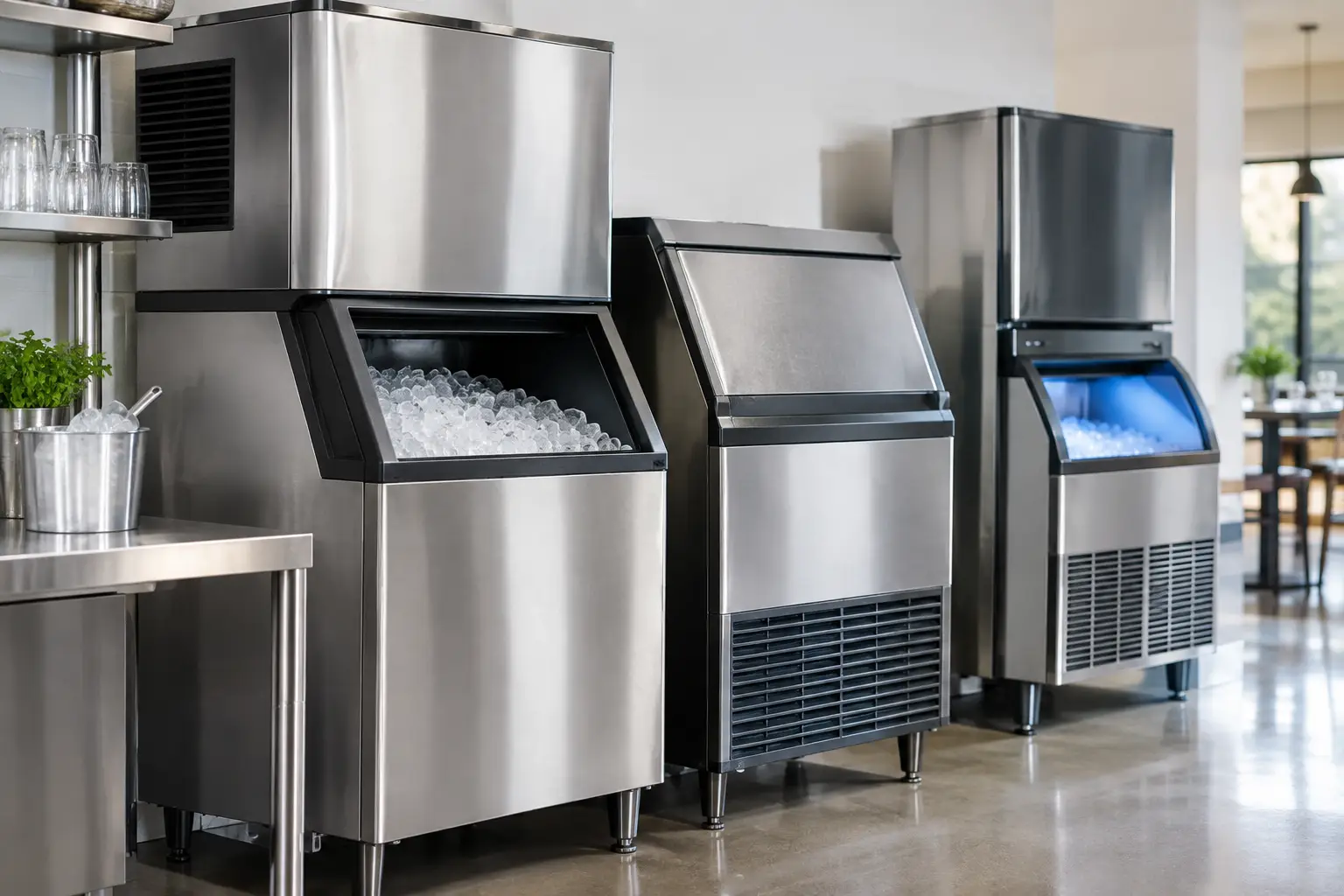 Best Commercial Ice Machine Brands in 2026
Whole Home Dehumidifier Review for South Texas — Best Guide 2026
Best Commercial Ice Machine Brands in 2026
Whole Home Dehumidifier Review for South Texas — Best Guide 2026